
Torrential storms that have triggered flash floods in Kenya have killed at least 81 people this month, authorities said Sunday, as rain continued to pound much of the country.
"The cumulative number of fatalities has unfortunately risen to 81," national police spokesman Muchiri Nyaga said in a statement.
"Additionally, flash floods have swept through several areas, displacing approximately 2,690 families and causing widespread destruction of infrastructure and property."
The capital Nairobi is the hardest-hit region, with 37 people killed, he said.
On Friday night, authorities called on residents to evacuate several slum neighbourhoods downstream from the Nairobi dam, warning of an imminent risk of flooding as rising water levels threatened to breach the dam embankment, according to local media.
The dam has held so far.
Two people drowned overnight in floods in the town of Kiambu, just outside the capital, police told AFP.
Two also died as landslides hit the western village of Kasaka, burying numerous homes, reported private broadcaster Citizen TV.
The rain is forecast to continue until Tuesday.
Authorities called for "extreme caution".
The March rains have repeatedly turned Nairobi streets to raging rivers, flooding thousands of homes and businesses.
Critics have called for the resignation of Nairobi Governor Johnson Sakaja, who had vowed to improve the capital's drainage and road infrastructure when he took office in 2022.
Scientists say human-caused climate change is increasing the probability, length and severity of extreme weather events.
Studies indicate east Africa has been hit by more extreme rains and droughts over the past two decades.
jcp/jhb/rmb
Keep reading
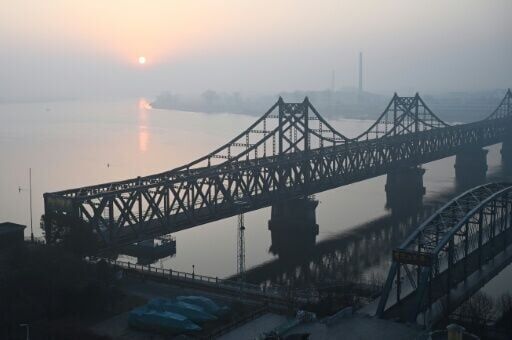
Now retired, Wang Meili wants to see the world -- including North Korea, the reclusive nation that lies across the river from her lifelong home in northeastern China.

Below the waves off Germany's northern tourist beaches, a toxic time bomb lurks on the Baltic Sea floor -- enormous quantities of World War II munitions that are slowly rusting away.
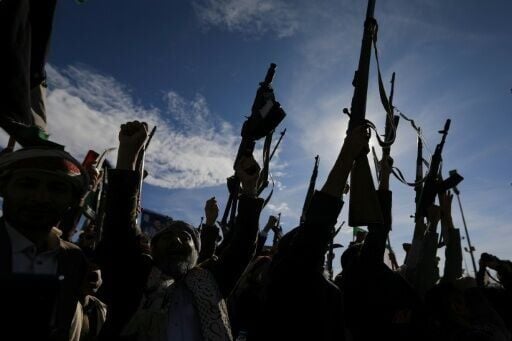
Iran claimed on Sunday attacks on two major aluminium plants in the Gulf, further raising the economic stakes of the Middle East war after Yemen's Iran-backed Houthis joined the conflict.


(0) comments
Welcome to the discussion.
Log In
Post a comment as Guest
Keep it Clean. Please avoid obscene, vulgar, lewd, racist or sexually-oriented language.
PLEASE TURN OFF YOUR CAPS LOCK.
Don't Threaten. Threats of harming another person will not be tolerated.
Be Truthful. Don't knowingly lie about anyone or anything.
Be Nice. No racism, sexism or any sort of -ism that is degrading to another person.
Be Proactive. Use the 'Report' link on each comment to let us know of abusive posts.
Share with Us. We'd love to hear eyewitness accounts, the history behind an article.