(The Center Square) – Voter concern about inflation and prices has surged to its highest level since The Center Square began tracking the issue.
According to The Center Square Voters' Voice Poll, conducted by Noble Predictive Insights, a nonpartisan public opinion polling firm, 43% of registered voters included inflation or price increases among their top three concerns in June, up from 37% in March.
The shift comes as the conflict with Iran has disrupted global oil markets and driven up gas and fuel prices. The Strait of Hormuz, a critical oil shipping route, closed on Feb. 28, 2026, when Operation Epic Fury began, according to the U.S. Energy Information Administration.
U.S. regular gasoline averaged $2.94 per gallon that week, according to EIA data. As of June 11, the national average had climbed to $4.13 per gallon, according to AAA.
"Cost of living just still dominates," said Mike Noble, founder of Noble Predictive Insights, which conducted the poll. "Inflation is still the top issue."
Inflation and price increases topped the list of voter concerns, with 20% ranking it as their top issue, up from 15% in March. Government corruption (27%), economy and jobs (27%), healthcare (26%) and illegal immigration (19%) rounded out the top five concerns among registered voters.
Throughout the 2024 presidential campaign, then-candidate Donald Trump repeatedly promised to bring prices down after taking office.
"When I win, I will immediately bring prices down," he said at an Aug. 15, 2024 press conference in Bedminster, N.J.
Because of the rise in gas costs, other prices continue to climb. Ground beef has risen 22%, from $5.55 to $6.75 per pound since January 2025, while ground coffee has jumped 35%, from $7.02 to $9.51 per pound, according to Bureau of Labor Statistics average price data. Overall consumer prices rose 4.2% over the past year, with energy costs up 23.5%, according to the U.S. Bureau of Labor Statistics May 2026 Consumer Price Index report.
Karlyn Bowman, a distinguished senior fellow emeritus at the American Enterprise Institute, a Washington-based public policy research organization where Bowman has tracked public opinion trends for decades, said the findings align with broader national trends.
"When inflation is included as a category, it is the top problem in almost every poll these days and concern about it has been rising," Bowman told The Center Square.
The inflation anxiety is playing out against a backdrop of growing pessimism. Sixty percent of voters say the country is headed in the wrong direction, up from 53% in March, while the generic congressional ballot has shifted from a one-point Democratic advantage to a six-point Democratic advantage over the same period.
Among true independents – those who declined to lean toward either major party, whose subsample carries a larger margin of error than the overall poll – Trump's net approval is -51 points and nearly seven in 10 say the country is on the wrong track.
"Republicans got a problem on their hands if these economic pain points continue or get worse," Noble told The Center Square.
True independents are even more pessimistic about the electoral landscape. Nearly half remain uncommitted on the congressional ballot despite their deep dissatisfaction with the current political environment.
"If they're feeling all this economic pain, I don't think they're going to stick with them when it comes time that they have to make a decision," Noble told The Center Square.
Kyle Kondik, managing editor of Sabato's Crystal Ball at the University of Virginia Center for Politics, said the Iran conflict has compounded existing Republican vulnerabilities.
"The fallout from the war in Iran, namely on gas prices, has very likely contributed to the Republicans' preexisting political problems," Kondik told The Center Square. "I think that helps explain a lot of what you found."
On true independents, Kondik offered a cautionary note.
"Independents are not very keyed into elections, and a great deal of them may not even vote," he said. "So it doesn't necessarily surprise me that they are both very upset but also somewhat disengaged from the vote choice. But these are people Republicans should likely be worried about if they do in fact vote."
Alan Abramowitz, a political scientist at Emory University in Atlanta who specializes in elections and voting behavior, said the poll results are consistent with a political environment that historically produces wave elections, in which one party makes large, broad gains across many races.
"At this stage in 2018, the last time we had a midterm wave election, Democrats picked up 40 seats in the House, and going into the 2018 midterm elections, the generic ballot had Democrats at about plus seven, plus eight – similar to where it is now," Abramowitz told The Center Square.
"It's shaping up to be a big wave. Democrats only need to pick up three seats," he said.
Republicans hold a 218-212 majority in the House, according to the House Press Gallery.
The Republican National Committee did not respond to requests for comment.
A Democratic House majority would control the chamber's floor agenda, all committee and subcommittee chairmanships, and the origination of revenue legislation – giving Democrats influence over the trillions of dollars in federal spending, according to the Congressional Research Service.
Bowman noted the dissatisfaction is bipartisan.
"Americans aren't happy with the administration, or with the Democrats and Republicans in Congress," Bowman told The Center Square.
White House spokesman Kush Desai said the administration expects prices to fall once the Iran conflict is resolved.
"President Trump has always been clear about the fact that oil and gas prices – and thus overall inflation – will rapidly drop as soon as the Iran situation is resolved," he told The Center Square. "Prior to the start of Operation Epic Fury, American workers had recovered almost half of the real wage losses they experienced under Joe Biden thanks to this Administration's commonsense agenda of deregulation, tax cuts, and energy abundance – an agenda that the Administration continues to implement to deliver more economic relief for the American people."
However, Bureau of Labor Statistics data shows real average hourly earnings stood at $11.24 in May 2026 – unchanged from when Trump took office in January 2025 and below the $11.43 recorded when Biden took office in January 2021.
The Center Square Voters' Voice Poll was conducted by Noble Predictive Insights, a nonpartisan public opinion polling firm, from June 1-4, 2026 and surveyed registered voters nationally via opt-in online panel and text-to-web cell phone messages. The sample included 2,585 respondents comprised of 915 Republicans, 1,013 Democrats, and 297 True Independents. The margin of error is +/- 1.93%. The margin of error for the 297-person True Independents subsample is larger than the overall survey margin of error.
BOZEMAN, Mont. - Montana Attorney General Austin Knudsen filed a new response in court on Monday, asking the state supreme court to dismiss the Gallatin County Attorney's case against him, calling it "political."
(The Center Square) – American voters trust independent redistricting commissions over state legislatures to draw fair congressional district lines by a more than 2-to-1 margin, a new national poll finds.
(The Center Square) – The FBI foiled a plot set to disrupt Sunday's UFC fight on the grounds of the White House, FBI Director Kash Patel said on Tuesday.
Keep it Clean. Please avoid obscene, vulgar, lewd,
racist or sexually-oriented language. PLEASE TURN OFF YOUR CAPS LOCK. Don't Threaten. Threats of harming another
person will not be tolerated. Be Truthful. Don't knowingly lie about anyone
or anything. Be Nice. No racism, sexism or any sort of -ism
that is degrading to another person. Be Proactive. Use the 'Report' link on
each comment to let us know of abusive posts. Share with Us. We'd love to hear eyewitness
accounts, the history behind an article.
Montana AG Knudsen asks state supreme court to dismiss Gallatin County Attorney's case
BOZEMAN, Mont. - Montana Attorney General Austin Knudsen filed a new response in court on Monday, asking the state supreme court to dismiss the Gallatin County Attorney's case against him, calling it "political."
The dispute began in April over Immigrations and Customs Enforcement (ICE) actions, specifically requesting documents in Gallatin County that the county attorney did not grant. Knudsen has argued that ICE, as a criminal justice agency, is entitled to any records it requires without examination from officials, and the Gallatin County Attorney is arguing that ICE does not qualify as a criminal justice agency under the law in Montana.
"As Attorney General, I have the authority to invoke supervisory control over Gallatin County Attorney Audrey Cromwell's office," Knudsen wrote on social media. "That authority was granted by the Legislature, and therefore, the court should dismiss this case."
Poll: Voters back redistricting commissions over legislatures 2-to-1
(The Center Square) – American voters trust independent redistricting commissions over state legislatures to draw fair congressional district lines by a more than 2-to-1 margin, a new national poll finds.
The Center Square Voters' Voice Poll found 41% of registered voters trust independent commissions to draw fair congressional lines, compared to 16% who trust state legislatures and 15% who trust courts. Twenty-seven percent were not sure.
The preference for independent commissions was bipartisan. Republicans favored commissions over legislatures 38% to 19%, while Democrats preferred commissions 45% to 15%. Among true independents, 38% trusted commissions most, compared to 8% who trusted state legislatures, although 43% were not sure.
Congressional district lines are typically redrawn once a decade following the U.S. Census. That norm has shifted, with more than a quarter of all congressional seats redrawn mid-decade after President Donald Trump called on states to redraw their maps ahead of the 2026 midterms.
Kyle Kondik, managing editor of Sabato's Crystal Ball at the University of Virginia Center for Politics, said Democratic-run states will face challenges.
"We will likely see Democratic-run states going to their voters in 2027 to ask them to unwind or overturn their states' preexisting redistricting commissions and rules, like California and Virginia did," he told The Center Square. "Winning these battles may not be easy in some places, and this sentiment is a reason why."
Benjamin Schneer, an associate professor of public policy at Harvard Kennedy School, said voters view redistricting abuse as a fundamental fairness issue.
"Survey research has found that Americans think of gerrymandering as on the same footing as forms of political corruption," he told The Center Square.
Schneer said poll opposition alone is unlikely to stop the practice. It would take sustained focus and a compelling narrative for politicians or judges responsible for allowing mid-decade gerrymandering to be held accountable in future elections.
Justin Levitt, a professor at Loyola Law School in Los Angeles who tracks redistricting nationally, said the voter preference for commissions reflects a genuine, bipartisan preference for fair maps. When commissions are designed to be independent, they deliver independent maps, he told The Center Square.
He cited California's independent commission after the 2010 census, which drew two senior Democratic incumbents, Reps. Brad Sherman and Howard Berman of California, into the same district, forcing them to compete against each other, something the Democratic Party never would have done.
Jason Torchinsky, a political and election law attorney at Holtzman Vogel who has worked on redistricting cases, said commissions have drawbacks.
"Commissions for redistricting entirely remove electoral accountability from the process, and even non-partisan or bi-partisan commissions are often captured by interest groups along the way," he told The Center Square.
Walter Olson, a senior fellow at the Cato Institute who has written extensively on elections and redistricting law, said mid-cycle redistricting is expensive and disruptive, and the initial partisan advantages tend to disappear once the opposing party responds in kind.
Olson said Congress has the authority to act, and should use its enumerated powers to call a halt to mid-decade redistricting, with an exception for court-ordered redraws.
The National Conference of State Legislatures, a bipartisan organization that represents state legislatures across the country, said about 17 states use some form of commission to draw congressional district lines, including 10 that rely primarily on commissions rather than the legislature.
Lawmakers continue to play a role in redistricting even in those states, the organization said, whether by approving final maps or confirming commission members. Redistricting commissions are relatively new entities, NCSL told The Center Square, and additional redistricting cycles will provide a better understanding of their long-term impact.
Schneer said voter preferences can shift when redistricting becomes part of a larger partisan fight.
"Voters had previously passed a proposition to have an independent commission and then, as part of this larger partisan battle, turned around and suspended it," he told The Center Square. "That's an example that shows how much the messaging and context matters."
Noble Predictive Insights conducted the poll from June 1-4, 2026. It surveyed registered voters nationally via opt-in online panel and text-to-web cell phone messages. The sample included 2,585 respondents, including 915 Republicans, 1,013 Democrats, and 297 True Independents. The margin of error is plus or minus 1.93%.
FBI foils alleged terror plot at White House UFC event
(The Center Square) – The FBI foiled a plot set to disrupt Sunday's UFC fight on the grounds of the White House, FBI Director Kash Patel said on Tuesday.
Patel said federal officials first learned of the plan on June 10. The alleged plot involved using drones with attached explosives to hit buildings near the event, prompting a mass evacuation and steer crowds toward a group of snipers.
Investigators uncovered a Signal chat with at least 23 users discussing plans for the alleged attack. Individuals from multiple states participated in planning the event, FBI officials said.
Patel said "multiple individuals" were in custody in relation to the foiled attack. Investigators told Fox News five individuals were in custody as of Monday.
One suspect was taken into custody in Cincinatti, federal officials said. The White House UFC event was set to celebrate the 250th anniversary of the signing of the Declaration of Independene. The event also occurred on President Donald Trump's 80th birthday.
"We are built to detect, respond to, and bring to justice those who threaten the lives of American citizens – particularly during large gatherings like the historic UFC 250 fight," Patel said on social media.
Trump said he was not aware of the foiled plot when speaking to reporters on Tuesday.
"I haven't heard about it," Trump said.
Vice President JD Vance spoke on Tuesday morning about the planned attack to Fox News. He said harsh political rhetoric led to the alleged plan and called for more civility.
"We got to tell everybody to tone it down," Vance said. "I think a lot of my Democratic colleagues in Washington have got to look themselves in the mirror and say, 'why is so much of this political violence coming from our side of the spectrum?'"
Patel thanked the FBI, Secret Service and Department of Justice for acting quickly to respond and prevent the planned attack.
"I want to thank our great agents and partners, this work remains ongoing and we will continue to update the public as permitted," Patel said.
Pro-life org urges DOJ to end mail-order abortion after latest domestic assault case
(The Center Square) – After another domestic assault case involving the abortion pill, Susan B. Anthony Pro-Life America called on the Department of Justice and Acting Attorney General Todd Blanche to end mail-order abortion.
SBA Pro-Life America president Marjorie Dannenfelser said in a statement: “Enough is enough. We call on Blanche’s DOJ to settle with Louisiana by agreeing to a court-ordered consent decree that would end Biden’s unlawful mail-order abortion drug policy and restore in-person dispensing immediately while the FDA completes a prompt, rigorous safety review.”
When reached, a DOJ spokesman told The Center Square that “this Department of Justice remains committed to advancing President [Donald] Trump’s pro-life agenda.”
This commitment includes “dismissing criminal prosecutions and civil lawsuits against peaceful pro-life advocates targeted by the previous administration” and “using the FACE Act to protect pro-life pregnancy centers,” the spokesman said.
“The Department of Justice requested more time from the court for the FDA to complete its review of mifepristone REMS,” the spokesman said. “As the Supreme Court recognized in a unanimous ruling less than two years ago, it is the role of the FDA – not the federal courts – to evaluate drug safety data and impose appropriate precautions.”
SBA Pro-Life America’snews releaseexplained that “in the latest violent domestic assault using abortion drugs, a Louisiana man has been charged with felony crimes for slipping an abortion drug to a woman without her knowledge.”
SBA President Marjorie Dannenfelser said in her statement: “This horrific abortion drug poisoning caused a mother and child to be rushed to the hospital for an emergency c-section at 23 weeks, with the baby weighing just a pound and fighting for life.”
“Abortion drug poisoning attacks on women and children are always tragic, but they come as no surprise under a mail-order abortion drug regime that Acting Attorney General Todd Blanche must end,” Dannenfelser said.
“Federal courts have found the many harms of this Biden-era policy to be predictable and intentional.” Dannenfelser said.
“It is alsopolitically perilous: 7 in 10 Americans want these deadly drugs out of the mail, and nearly a third of GOP base voters are at risk of sitting out midterms if the GOP abandons pro-life policies,” Dannenfelser said. “Only immediate action can prevent future crimes before they happen.”
Dannenfelser noted that “tragically, 15,000 babies in states with pro-life laws are killed every month as mail-order abortion drugs effectively nullify those laws.”
“These dangerous drugs take a severe toll on women’s physical and mental health and give abusive men an easy tool to poison them against their will, even without their knowledge,” Dannenfelser said. “We’ve seen it over and over since Biden’s FDA removed in-person medical safeguards.”
Dannenfelser said she and SBA “thank God both mother and baby survived this deplorable attack” by abortion pill in Louisiana.
“At this moment, that little baby continues to fight in the hospital,” Dannenfelser said. “Though we do not know the child’s condition, babies born at 23 weeks and even earlier increasingly survive and thrive if given that fighting chance.”
Another Louisiana woman named Rosalie Markezich was harmed by the abortion pill a few years ago. She was coerced to take it by her boyfriend who ordered it from outside their pro-life state without Markezich’s consent, according toAlliance Defending Freedom.
Markezich and the state of Louisiana are currently suing the FDA for its “recklessness” as it relates to the mail-order abortion pill, according to Alliance Defending Freedom.
First day of World Cup games in Atlanta, first border crime arrest made
(The Center Square) – On the first day of World Cup matches beginning in Atlanta, the first border related arrest was made of a Mexican national who was previously deported twice.
The first U.S. World Cup match in Atlanta occurred Monday between Spain and Cabo Verde, which ended in a draw, 0-0. Three other matchesare scheduledin Atlanta through June 24. The first U.S. match was held in Los Angeles on Friday, where Team USA defeated Paraguay.
On Monday, the U.S. Attorney for the Northern District of Georgia announced the arrest of a Mexican national with a prior cocaine distribution conviction who was also previously deported.
Mexican Lorenzo Rojas-Martinez, 37, faces federal charges of flying a drone over Centennial Olympic Park in a temporary flight restricted zone during the FIFA Fan Festival in Atlanta. He is also facing federal charges of “illegal reentry by a removed alien” after illegally reentering the U.S. as a gotaway after he was previously deported twice.
“Gotaways” is the official federal term for foreign nationals who illegally enter the U.S. between ports of entry to evade detection. They often have criminal histories and don’t make immigration claims. More than two million gotaways were reported during the Biden administration, The Center Square exclusively reported.
“Unauthorized drone operations in restricted airspace present a serious risk to public safety, particularly during major international events such as the FIFA World Cup,” U.S. Attorney Theodore Hertzbergsaid in a statement.“This enforcement action reflects the coordinated efforts of our federal and local partners to detect, disrupt, and deter unlawful activity that could endanger spectators, athletes, and first responders.”
The FBI Atlanta's Counter UAV Task Force has already seized 21 drones related to the World Cup matches. Only one so far was allegedly operated by a gotaway.
“As these operators are putting the community at risk, our Ground Intercept Teams will continue to locate operators, seize drones, and pursue prosecution of those who violate the restricted airspace in place around FIFA World Cup activities,” FBI-Atlanta Special Agent in Charge Marlo Graham said.
According to the criminal complaint, federal agents observed Lorenzo Rojas-Martinez operating a drone in restricted airspace near Centennial Olympic Park during the 2026 FIFA Fan Festival in Atlanta while standing in a nearby parking area video recording the event. After agents approached him and requested his identification and reviewed his driver’s license, they confirmed he was in the country illegally. They determined he’d illegally reentered the country after two prior removals. Upon performing a criminal background check, they learned he was previously convicted of cocaine distribution, among other charges.
An investigation by the FBI and U.S. Immigration and Customs Enforcement is ongoing.
Rojas-Martinez is the latest gotaway arrest in Atlanta. It is unknown how many gotaways have illegally entered during the Trump administration. In Texas, ongoing border security interdiction efforts through Operation Lone Star regularly result in arrests of gotaways, although the numbers are far lower than they were under the Biden administration.
In one month, OLS officers apprehended 1,000 illegal border crossers in eight south Texas counties after they illegally entered between ports of entry. In several neighboring counties, they apprehended more than 1,200 – also gotaways, The Center Squarereported.OLS officers are also seizing large quantities of meth and cocaine.
In Lavaca County, roughly 1.5 hours from Houston, OLS officers are apprehending gotaways driving on Texas roads without driver’s licenses. One major bust was of an MS-13 leader with an Interpol notice wanted for torturing and beheading four people in El Salvador, The Center Squarereported.
The Atlanta arrest came after national security and terrorism concernshave been raisedabout FIFA World Cup events and federal vetting processes. It also came as several attorneys general have launched investigations into FIFA for alleged price gauging and ticket sale misrepresentation, The Center Squarereported.
Forty-eight teams are competing in the international competition from June 11 through July 19 in Canada, the U.S. and Mexico. The U.S. has the greatest number of host cities.
U.S. host cities include Atlanta, Boston, Dallas, Houston, Kansas City, Los Angeles, Miami, New York/New Jersey, Philadelphia, Seattle and the San Francisco Bay area. The World Cup final will be held in New Jersey on July 19.
Newsom: Trump ordered investigation into him and his wife
(The Center Square) - California Gov. Gavin Newsom has alleged President Donald Trump and the U.S. Department of Justice are investigating him and his wife, Jennifer Siebel Newsom, without cause.
The news came from a Newsom social media post where he alleged the investigation was politically motivated ahead of the 2028 presidential race. Newsom, who's termed out as governor with his last day in office in January 2027, said he's considering a run for the White House.
“In recent days, federal agents have knocked on the doors of family friends and former employees,” said Newsom in avideoposted to his X social media account Monday afternoon. “Not because they found a crime – because they’re simply trying to find one.”
Newsom added that the U.S. Department of Justice had abused the grand jury system to go through “years and years of random documents,” about him and had demanded other records.
“He’s coming after me because I’m considering running for president, because he hates that I’ve consistently called him out for his lies and deceit,” Newsom said about Trump in the video.
The Center Square reached out for comment Monday afternoon to the White House, which referred The Center Square to the Department of Justice. The DOJ did not respond to a request for comment.
Newsom has emerged as an early favorite for the Democratic presidential nominee.National polling in Mayplaced him among the top Democratic candidates alongside Rep. Alexandria Ocasio Cortez of New York and Pete Buttigieg, according to Emerson College Polling. Meanwhile, The Center Square Voters' Voice Poll, conducted June 4-6 among registered voters who identify as Democrats and left-leaning independents, shows former Vice President Kamala Harris as the Democratic frontrunner in the 2028 presidential race at 27% of 1,227 polled. Newsom was a distant second among the names listed, with 14% support, The Center Square reported. The polling shows support for Newsom and Harris may be shifting to other Democrats.
Newsom said he welcomes the attention from Trump.
“One by one, anyone who has challenged Donald Trump has ended up on his hit list,” said Newsom. “And today, I proudly join that list.”
The Department of Justice has investigated Trump’s political enemies since he took office for his second term. Former FBI directorJames Comeyhas been indicted multiple times after investigating claims of Russian involvement in the 2016 presidential election, while the Department of Justice recently opened an investigation intoE. Jean Carroll, who successfully sued Trump for a combined $88.3 million for sexual abuse and defamation.
Newsom said Trumpcalled for his arrestlast year, but said the president was looking in the wrong direction to find corruption. “We have nothing to hide.”
Trump and Newsom have long traded blows over issues from immigration to the economy and climate change. Newsom has also often done online and social mediaparodiesof Trump’s more controversial decision.
“Let me say it again,” said Newsom. “Mr. President, come after me. I’m not going anywhere, and the country is watching.”
The Center Square reached out to the Governor's Office Monday afternoon, but did not get an immediate response.
B-52 bomber crashes after takeoff from California base
(The Center Square) - A U.S. Air Force B-52 Stratofortress crashed shortly after takeoff Monday morning from Edwards Air Force Base in Southern California.
Eight people were aboard the aircraft, which was on a routine test mission, Edwards noted in a news release. "Initial indications are the craft was not survivable."
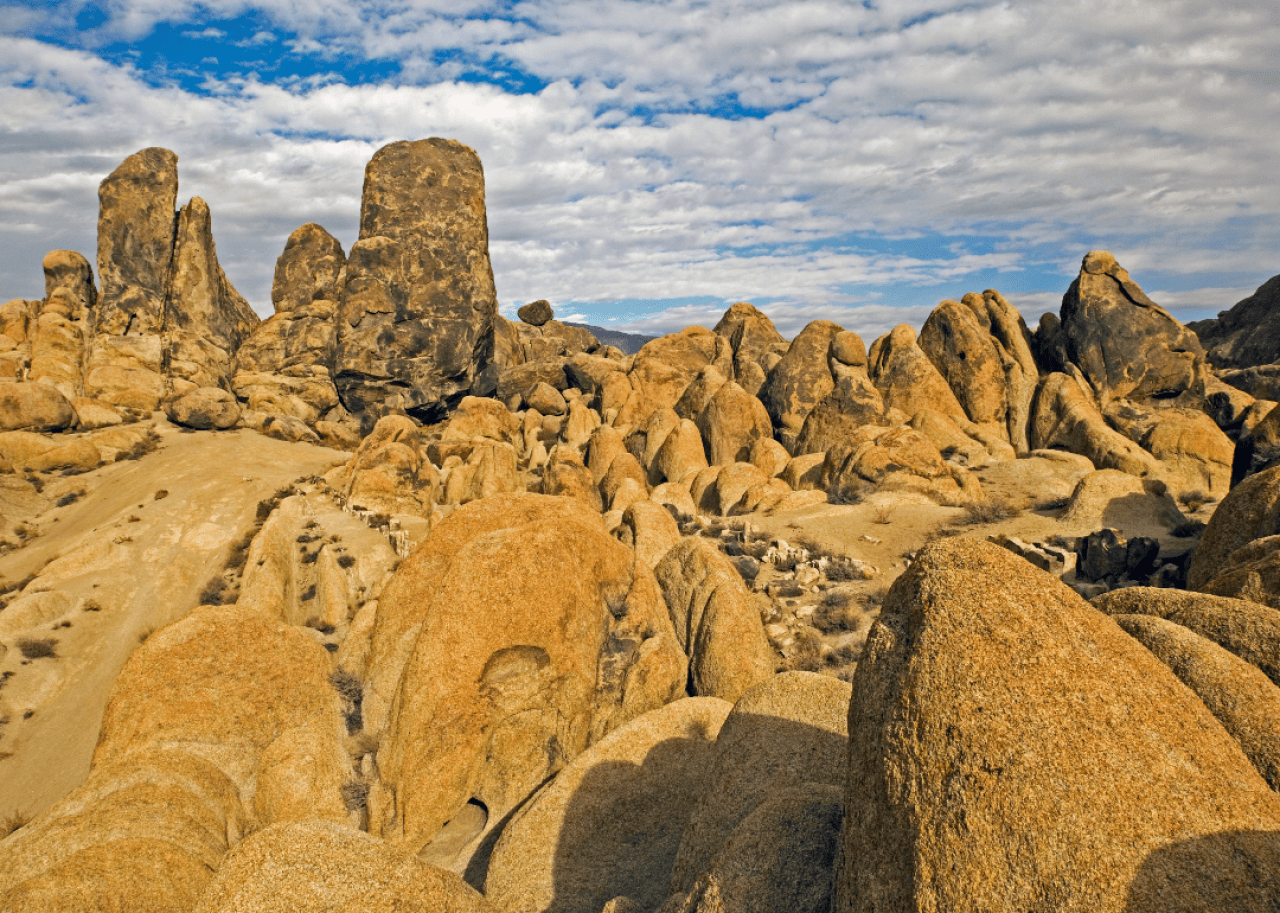
Emergency crews responded immediately when the crash occurred at 11:20 a.m. at the airport, located in the Mojave Desert about 100 miles north of Los Angeles.
According to Edwards Air Force Base, the airfield has been closed, inbound aircraft are being rerouted, and noncommercial visitor passes have been suspended until further notice.
Emergency response operations are underway, and an investigation into the crash is ongoing.
The Center Square reached out Monday to Edwards Air Force Base for more comment, but was referred to the base's Facebook page, where Edwards said, “We will continue to update as more information is confirmed."
"Our thoughts and prayers are with the families and unit members at this time," Edwards said on Facebook.
The most extreme temperature ever recorded in every US state, based on data
Anuradha Varanasi
Mario Tama // Getty Images
Most extreme temperatures in the history of every state
In January 2026, the World Meteorological Organization confirmed 2025 was among the hottest years on record. Of course, that's not particularly surprising, considering the last 11 years have all made the list of the top 11 warmest years recorded.
In fact, 2025 was the third-warmest year on record, just behind 2024 and 2023—the first time a three-year period has averaged more than 1.5°C above pre-industrial levels. Extreme heat events continue to be a regular occurrence. In March 2026, a heat wave across the southwestern U.S. sent temperatures soaring to record highs in Arizona and Southern California. And it's unlikely we'll see an end to these conditions anytime soon—according to Climate Central, human-caused climate change has made this excessive heat three times more likely for half the U.S. population.
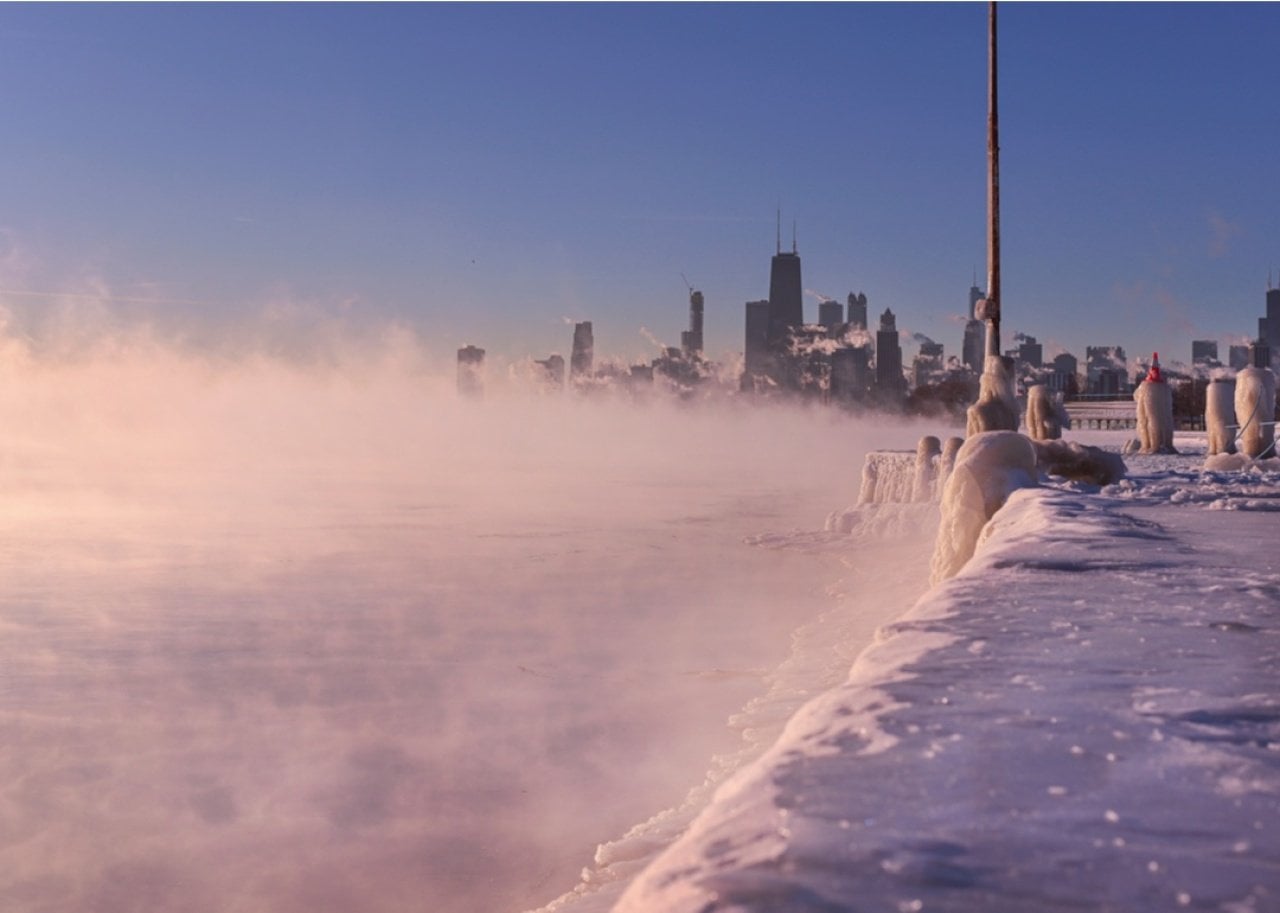
High heat isn't the only thing we have to worry about. The winter of 2025-26 proved especially severe for much of the Midwest and Northeast, with the coldest and snowiest conditions since 2017-18. Temperatures in late January averaged 10-15 degrees below normal in cities like Minneapolis, Chicago, Detroit and Pittsburgh, and dozens of Midwest and Northeast cities were classified as experiencing a severe winter.
As extreme weather events and record-setting temperatures become the norm across much of the U.S., Stacker consulted 2023 data from NOAA's State Climate Extremes Committee to identify the hottest and coldest temperatures ever recorded in each state and Puerto Rico. Each slide also reveals the all-time highest 24-hour precipitation record and 24-hour snowfall.
Keep reading to find out individual state records in alphabetical order.
Canva
Alabama
- All-time highest temperature: 112 F (Centerville on Sept. 6, 1925)
- All-time lowest temperature: -27 F (New Market on Jan. 30, 1966)
- All-time highest 24-hour precipitation: 32.52 inches (Dauphin Island Sea Lab on July 19, 1997)
- All-time highest 24-hour snowfall: 20 inches (Walnut Grove on March 13, 1993)
Despite being a subtropical town, on March 13, 1993, Walnut Grove was covered in 20 inches of snow. The extreme weather was termed the "Superstorm of 1993" by the National Weather Service because of its size and strength, equal to a Category 3 hurricane. At one point, the storm system ran from Eastern Canada to Central America.
Nickolas warner // Shutterstock
Alaska
- All-time highest temperature: 100 F (Fort Yukon on June 27, 1915)
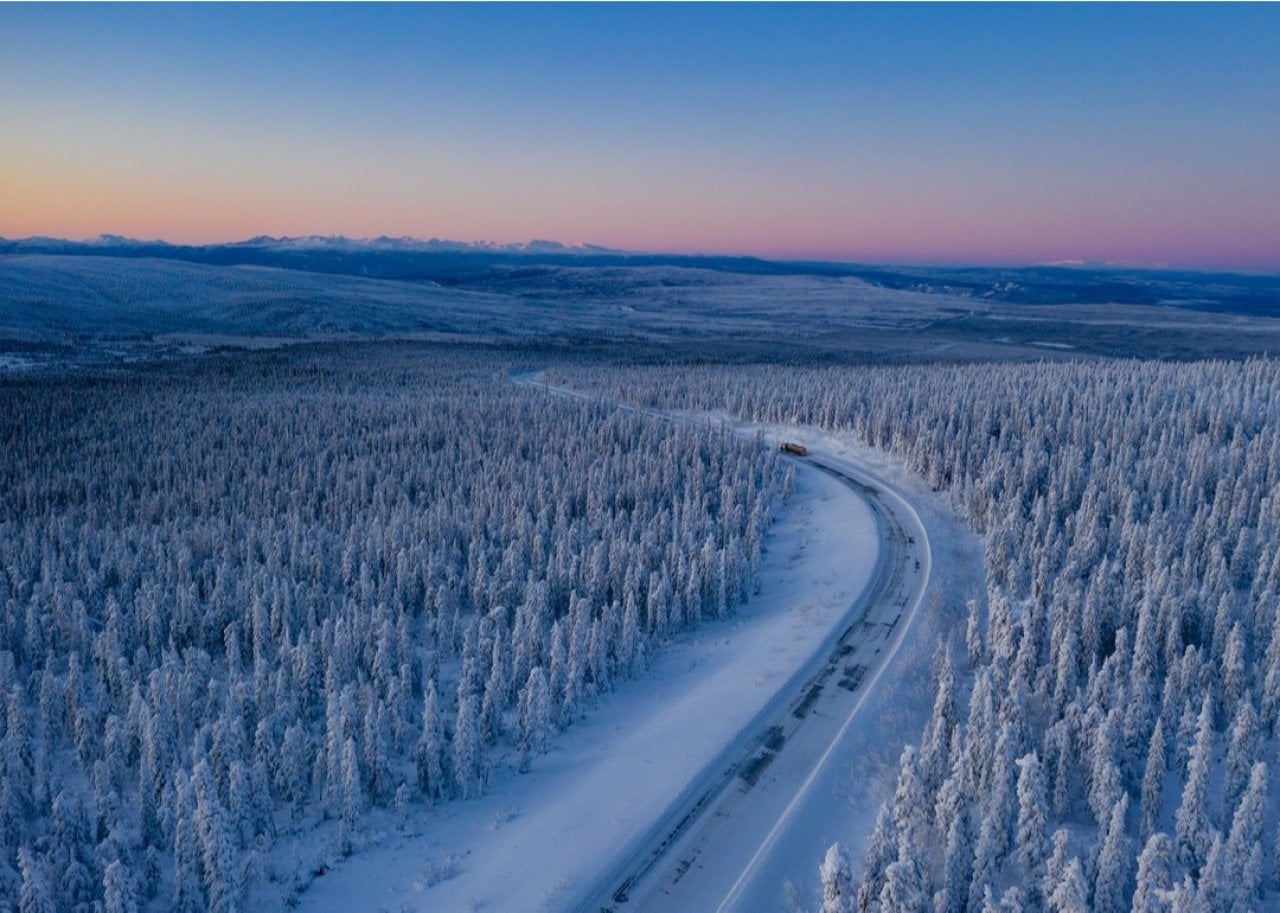
- All-time lowest temperature: -80 F (Prospect Creek Camp on Jan. 23, 1971)
Prospect Creek recorded the coldest-ever U.S. temperature of -80 degrees in 1971. On Oct. 10, 1986, Seward experienced more rainfall than anywhere else in Alaska due to an unrelenting rainstorm. The highways and the railroads took a massive hit during the three-day rainstorm, and the region was declared a federal disaster area.
In October 2018, the city of Seward declared an emergency after recording nearly 5 inches of rain over several days of heavy rainfall. Heavy flooding yet again caused debris to block several roads.
Canva
Arizona
- All-time highest temperature: 128 F (Lake Havasu City on June 29, 1994)
- All-time lowest temperature: -40 F (Hawley Lake on Jan. 7, 1971)
- All-time highest 24-hour precipitation: 11.4 inches (Workman Creek on Sept. 4, 1970)
On the far western border of Arizona, Lake Havasu City saw the highest temperature in state history on June 29, 1994. But seven years earlier, the state's largest snowfall was recorded on the extreme eastern side of Arizona.
Tammy Chesney // Shutterstock
Arkansas
- All-time highest temperature: 120 F (Ozark on Aug. 10, 1936)
- All-time lowest temperature: -29 F (Brook Farm Pond near Gravette on Feb. 13, 1905)
"The Great Heat Wave of 1936" affected around 15 states during its three-week run, bringing temperatures above 100 degrees. Still, Ozark topped the charts by reaching 120 degrees. Also known as the "1936 North American Heat Wave," it exacerbated human suffering during the ongoing Great Depression.
Angel DiBilio // Shutterstock
California
- All-time highest temperature: 134 F (Greenland Ranch on July 10, 1913)
- All-time lowest temperature: -45 F (Boca on Jan. 20, 1937)
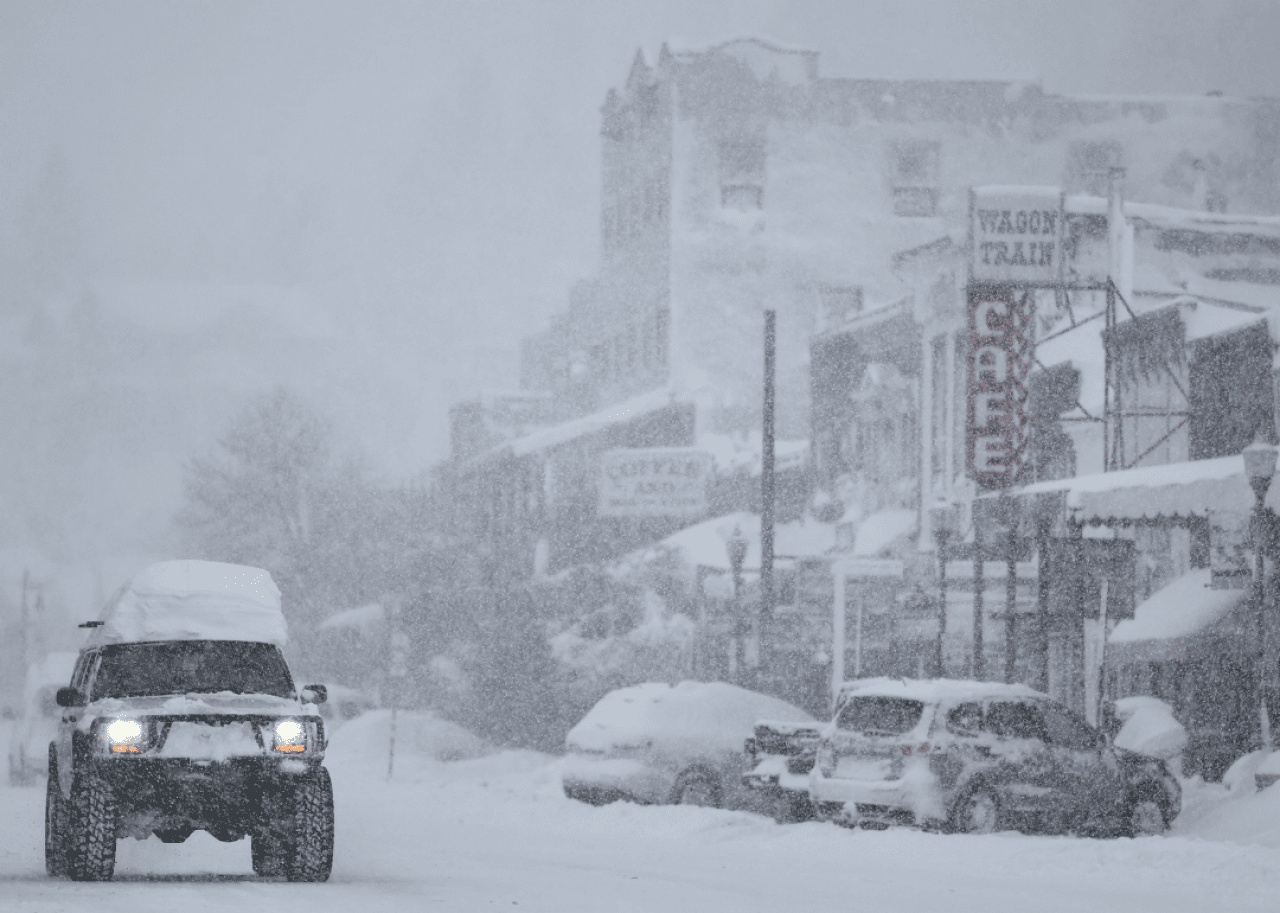
- All-time highest 24-hour snowfall: 67 inches (Echo Summit Sierra at Tahoe on Jan. 5, 1982)
Death Valley's Greenland Ranch holds the record for the highest temperature ever recorded at 134 degrees in 1913. But On Jan. 20, 1937, Boca—a former reservoir located in Nevada County—recorded a mind-numbingly cold temperature of -45 degrees.
Bob Pool // Shutterstock
Colorado
- All-time highest temperature: 115 F (John Martin Dam on July 20, 2019)
- All-time lowest temperature: -61 F (Maybell on Feb. 1, 1985)
- All-time highest 24-hour precipitation: 11.85 inches (USGS Rod & Gun, Ft. Carson, on Sept. 12, 2013)
- All-time highest 24-hour snowfall: 75.8 inches (Silver Lake on April 14, 1921)
During the 2013 floods that took place across Colorado, the highest precipitation levels were recorded on Sept. 12, 2013, at Fort Carson, a United States Army installation located in El Paso County.
Canva
Connecticut
- All-time highest temperature: 106 F (Danbury on July 15, 1995, and Torrington on Aug. 23, 1916)
- All-time lowest temperature: -32 F (Coventry on Jan. 22, 1961, and Falls Village on Feb. 16, 1943)
- All-time highest 24-hour precipitation: 12.77 inches (Burlington on Aug. 19, 1955)
On Aug. 19, 1955, the Great Flood of 1955 occurred in Burlington. The last time Connecticut had witnessed such heavy rainfalls was during colonial times. The state's high- and low-temperature records are shared by two locations on different days of different years.
Khairil Azhar Junos // Shutterstock
Delaware
- All-time highest temperature: 110 F (Millsboro on July 21, 1930)
- All-time lowest temperature: -17 F (Millsboro on Jan. 17, 1893)
Millsboro is one of the two cities in the United States that holds the record for the highest and lowest temperatures recorded in a state. Also of interest was a significant East Coast cyclone in 1979 that brought record-breaking snowfall to the Mid-Atlantic states. Because of this, Dover received the most snowfall in the history of Delaware's climate.
Compared to the 25 inches of snow recorded in Dover in February 1979, there was no snow in Delaware in January 2023, and only trace snowfall twice in February.
Noah Densmore // Shutterstock
Florida
- All-time highest temperature: 109 F (Monticello on June 29, 1931)
- All-time lowest temperature: -2 F (Tallahassee on Feb. 13, 1899)
- All-time highest 24-hour precipitation: 23.28 inches (Key West on Nov. 11, 1980)
- All-time highest 24-hour snowfall: 4 inches (Milton Exp. Stn. on March 6, 1954)
In 1980, Hurricane Jeanne formed in the Gulf of Mexico and indirectly struck Florida's Key West with heavy rainfall. The storm resulted in the heaviest rainfall Florida had ever witnessed within one day, which is impressive given the frequency with which big storms hit Florida.
Canva
Georgia
- All-time highest temperature: 112 F (Greenville 2 NNW on Aug. 20, 1983, and Louisville on July 24, 1952)
- All-time lowest temperature: -17 F (CCC Fire Camp F-16 near Beatum on Jan. 27, 1940)
- All-time highest 24-hour precipitation: 21.1 inches (Americus on July 6, 1994)
- All-time highest 24-hour snowfall: 19.3 inches (Cedartown 3NE on March 3, 1942)
The flood of 1994 in Americus included surging floodwaters that entered the city rapidly and were described as "fierce" by local news outlets. More than 100 small dams in nearby areas had reached capacity and started washing out directly on the roads. The deluge also damaged the railroad service, which took several months to recover even after the floodwaters receded.
Canva
Hawaii
- All-time highest temperature: 100 F (Pahala, Hawaii, on April 27, 1931)
- All-time lowest temperature: 12 F (Mauna Kea Observatory, Hawaii, on May 17, 1979)
- All-time highest 24-hour precipitation: 49.69 inches (Waipā Garden, Kauai, on April 14, 2018)
In April 2018, heavy rainfalls devastated the island of Kauai as dozens of homes were left in shambles in the island's towns, including Hanalei, Wainiha, Haena, and Anahola. The rainfall, which also hit Oahu, affected 532 houses on the two islands, according to the Hawaii Emergency Management Agency.
Canva
Idaho
- All-time highest temperature: 118 F (Orofino on July 28, 1934)
- All-time lowest temperature: -60 F (Island Park Dam on Jan. 18, 1943)
- All-time highest 24-hour precipitation: 7.17 inches (Rattlesnake Creek on Nov. 23, 1909)
- All-time highest 24-hour snowfall: 31 inches (Anderson Dam on Dec. 18, 1967)
Rattlesnake Creek in Elmore County was recorded on Nov. 23, 1909, to have received the most rainfall of 7.17 inches in one day. And in 1967, the Anderson Ranch Dam, southeast of Boise, recorded 31 inches of snowfall in one 24-hour period.
Jake Hukee // Shutterstock
Illinois
- All-time highest temperature: 117 F (East St. Louis on July 14, 1954)
- All-time lowest temperature: -38 F (Mt. Carroll on Jan. 31, 2019)
- All-time highest 24-hour precipitation: 16.91 inches (Aurora on July 18, 1996)
East St. Louis recorded the state's most sweltering temperature on July 14, 1954. While the residents of East St. Louis first woke up to stifling 100-degree heat, the temperature soared to 117 degrees by late afternoon. Residents in St. Louis recalled July 14, 1954, as the day "they were just cooked."
The Old Major // Shutterstock
Indiana
- All-time highest temperature: 116 F (Collegeville, south side of Rensselaer on July 14, 1936)
- All-time lowest temperature: -36 F (New Whiteland on Jan. 19, 1994)
- All-time highest 24-hour precipitation: 10.5 inches (Princeton on Aug. 6, 1905)
On Aug. 6, 1905, Princeton, a city in Indiana's Gibson County, recorded the highest one-day-long rainfall event in the state at 10.5 inches. And in July 1936, the entire state saw extreme heat, with Collegeville recording the highest temperature at 116 degrees.
Canva
Iowa
- All-time highest temperature: 118 F (Keokuk No. 2 on July 20, 1934)
- All-time lowest temperature: -47 F (Elkader on Feb. 3, 1996)
- All-time highest 24-hour precipitation: 13.18 inches (Atlantic 1NE on June 14, 1998)
- All-time highest 24-hour snowfall: 24 inches (Lenox on April 20, 1918)
The town of Atlantic in Iowa's Cass County experienced intense flooding on June 14, 1998, after heavy rainfall and a severe thunderstorm. Many bridges in the area were either damaged or completely destroyed, and all highways and roads had to be closed once the flooding started intensifying.
Canva
Kansas
- All-time highest temperature: 121 F (Fredonia on July 18, 1936, and Alton on July 24, 1936)
- All-time lowest temperature: -40 F (Lebanon on Feb. 13, 1905)
- All-time highest 24-hour precipitation: Not available
- All-time highest 24-hour snowfall: 30 inches (Pratt on March 28, 2009)
Pratt, a city with a population of 6,835 people, recorded the state's heaviest snowfall on March 28, 2009. A spring snowstorm resulted in a whopping 30 inches of snow falling within one day in Pratt.
Andre // Wikimedia Commons
Kentucky
- All-time highest temperature: 114 F (Greensburg on July 28, 1930)
- All-time lowest temperature: -37 F (Shelbyville on Jan. 19, 1994)
- All-time highest 24-hour precipitation: 11.28 inches (Mayfield 6SW between July 18 and July 19, 2023)
- All-time highest 24-hour snowfall: 26 inches (Simers on March 3, 1942)
The flood of 1997 in Louisville resulted in 10.48 inches of rainfall within one day on March 1, 1997. The deluge intensified when smaller streams started overflowing rapidly, which in turn caused the flooding along the Ohio River. As if the flooding wasn't bad enough, tornadoes were also reported from Arkansas to southern Kentucky.
Canva
Louisiana
- All-time highest temperature: 114 F (Plain Dealing 4W on Aug. 10, 1936)
- All-time lowest temperature: -16 F (Minden on Feb. 13, 1899)
- All-time highest 24-hour precipitation: 22 inches (Hackberry on Aug. 28, 1962)
Hackberry, a community in Cameron Parish, witnessed the state's heaviest rainfall between Aug. 28 and 29, 1962. A tropical depression that had first formed in the western Gulf of Mexico eventually struck the Texas and Louisiana border two days later before finally subsiding on Aug. 30, 1962.
Andy Thrasher // Wikimedia Commons
Maine
- All-time highest temperature: 105 F (North Bridgton on July 4 and 10, 1911)
- All-time lowest temperature: -50 F (Big Black River, nr. Saint Pamphile, PQ, on Jan. 16, 2009)
The state's highest rainfall or precipitation level was recorded at the Portland Jetport on Oct. 20–21, 1996, and resulted in severe flooding. According to the U.S. Geological Survey, one person was killed, and more than 2,100 homes and businesses were damaged.
Canva
Maryland
- All-time highest temperature: 109 F (Cumberland and Frederick on July 10, 1936, and Cumberland on Aug. 6-7, 1918)
- All-time lowest temperature: -40 F (Oakland on Jan. 13, 1912)
- All-time highest 24-hour precipitation: 14.75 inches (Jewel near Friendship on July 26, 1897)
- All-time highest 24-hour snowfall: 31 inches (Clear Spring 1ENE on March 29, 1942)
Maryland's most significant record 24-hour total rainfall was in Jewell on July 26-27, 1897. The town of Cumberland, in western Maryland, has twice recorded the state's highest temperature of 109 degrees.
Canva
Massachusetts
- All-time highest temperature: 107 F (Chester and New Bedford on Aug. 2, 1975)
- All-time lowest temperature: -35 F (Chester on Jan. 12, 1981, Coldbrook on Feb. 15, 1943, and Taunton on Jan. 5, 1904)
- All-time highest 24-hour precipitation: 18.15 inches (Westfield on Aug. 18, 1955)
- All-time highest 24-hour snowfall: 29 inches (Natick on April 1, 1997)
Westfield suffered from heavy flooding and rainfall in the middle of August 1955, making it the wettest day for the state. The Great Flood of 1955 affected Connecticut and Massachusetts, resulting from Hurricanes Connie—and then, a week later, Hurricane Diane.
Canva
Michigan
- All-time highest temperature: 112 F (Mio and Stanwood on July 13, 1936)
- All-time lowest temperature: -51 F (Vanderbilt on Feb. 9, 1934)
- All-time highest 24-hour precipitation: 12.92 inches (6E Fountain on July 20, 2019)
In July 2019, nearly 13 inches of rain was recorded falling in western Michigan in one 24-hour period, surpassing a record from 150 miles south that stood for more than a century.
Plume Photography // Shutterstock
Minnesota
- All-time highest temperature: 115 F (Beardsley on July 29, 1917)
- All-time lowest temperature: -60 F (Tower on Feb. 2, 1996)
- All-time highest 24-hour precipitation: 15.1 inches (Hokah 1S on Aug. 19, 2007)
Hokah, a city in Houston County, had the state's heaviest one-day rainfall on Aug. 19, 2007. The flood of 2007 claimed the lives of six people and also resulted in massive flooding in nearby counties.
Sean Pavone // Shutterstock
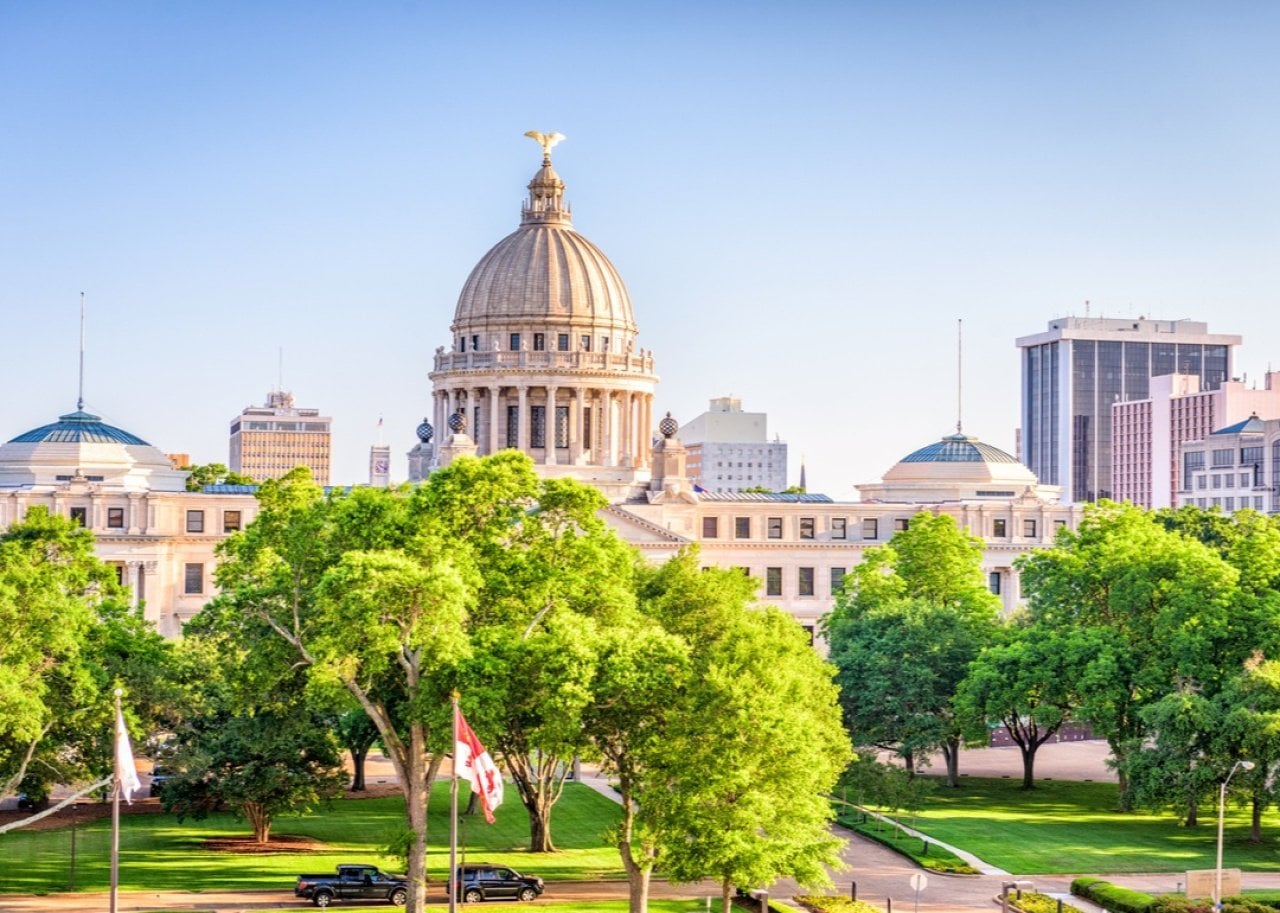
Mississippi
- All-time highest temperature: 115 F (Holly Springs 2N on July 29, 1930)
- All-time lowest temperature: -19 F (Corinth on Jan. 30, 1966)
- All-time highest 24-hour precipitation: 15.68 inches (Columbus on July 9, 1968)
- All-time highest 24-hour snowfall: 18 inches (Mt. Pleasant on Dec. 23, 1963)
The distance between the locations with the highest and lowest temperatures recorded in Mississippi is less than 70 miles, but the difference between those temperatures is 134 degrees. And a week before a massive "New Year's Snowstorm" swept through the Southern United States on Dec. 31, 1963, the small community of Mount Pleasant recorded an even larger snowfall, setting the state's record.
Canva
Missouri
- All-time highest temperature: 118 F (Union and Warsaw on July 14, 1954)
- All-time lowest temperature: -40 F (Warsaw on Feb. 13, 1905)
- All-time highest 24-hour precipitation: 18.18 inches (Edgerton on July 20, 1965)
Warsaw is one of two cities in the United States that holds the record for the highest and lowest temperatures recorded in a state. The other is Millsboro, Delaware. Four people died during the 1965 flood in Edgerton, and 729 residences were damaged or destroyed. Approximately 433,000 acres of agricultural land flooded during the deluge. The total damages the floods inflicted on properties cost Missouri $19.3 million.
Canva
Montana
- All-time highest temperature: 117 F (Glendive on July 20, 1893, Medicine Lake on July 5, 1937)
- All-time lowest temperature: -70 F (Rogers Pass on Jan. 20, 1954)
- All-time highest 24-hour precipitation: 11.5 inches (Circle, Springbrook, on June 20, 1921)
Montana's lowest temperature was recorded in 1954 at -70 degrees. But in early February 2019 and into the first week of March, Montana set a brand-new bone-chilling record for consecutive below-freezing days when Great Falls concluded its 32-day streak on March 8, 2019.
Canva
Nebraska
- All-time highest temperature: 118 F (Geneva on July 15, 1934, Hartington on July 17, 1936, and Minden on July 24, 1936)
- All-time lowest temperature: -47 F (Oshkosh on Dec. 22, 1989, and Bridgeport on Feb. 12, 1899)
- All-time highest 24-hour precipitation: 13.15 inches (York on July 8, 1950)
Before the unforgiving heat wave hit Geneva, Nebraska, in July 1934, the state was already struggling due to a severe drought that had worsened living conditions for farmers and other residents. During "The Heat Wave of 1934," people slept outdoors to escape the terrible heat in their houses. Two summers later, the heat was equally bad in two other Nebraska towns.
Canva
Nevada
- All-time highest temperature: 125 F (Laughlin on June 29, 1994)
- All-time lowest temperature: -50 F (San Jacinto on Jan. 8, 1937)
Nevada is no stranger to extreme heat. While the hottest day in Nevada was recorded in Laughlin in 1994, residents will likely be at an increased risk from exposure to extreme heat due to climate change, according to research published by the International Journal of Environmental Science and Technology.
Canva
New Hampshire
- All-time highest temperature: 106 F (Nashua on July 4, 1911)
- All-time lowest temperature: -50 F (Mount Washington on Jan. 22, 1885)
- All-time highest 24-hour precipitation: 11.07 inches (Mount Washington on Oct. 20, 1996)
- All-time highest 24-hour snowfall: 49.3 inches (Mount Washington on Feb. 25, 1969)
New Hampshire's "100-Hour Snowstorm of February 1969" produced record snowfall for New Hampshire. The massive snowstorm affected the neighboring states of Massachusetts, Connecticut, Maine, and Vermont.
Canva
New Jersey
- All-time highest temperature: 110 F (Runyon on July 10, 1936)
- All-time lowest temperature: -34 F (River Vale on Jan. 5, 1904)
- All-time highest 24-hour precipitation: 14.81 inches (Tuckerton on Aug. 19, 1939)
According to New Jersey state climatologist David Robinson, several factors contributed to River Vale recording the state's coldest day in January 1904. Two of the biggest reasons were River Vale's barren landscape and position in a valley. To top that off, River Vale had some heavy snowfall on the same day.
Spencer Platt // Getty Images
New Mexico
- All-time highest temperature: 122 F (Waste Isolation Pilot Plant nr. Loving on June 27, 1994)
- All-time lowest temperature: -50 F (Gavilan on Feb. 1, 1951)
- All-time highest 24-hour precipitation: 11.28 inches (Lake Maloya on May 18, 1955)
While New Mexico is known for its dry, desert environment, it averages fairly low temperatures during the peak of winter. But on Feb. 1, 1951, Gavilan in north Albuquerque experienced an Alaska-like winter at -50 degrees.
MISHELLA // Shutterstock
New York
- All-time highest temperature: 108 F (Troy on July 22, 1926)
- All-time lowest temperature: -52 F (Old Forge on Feb. 18, 1979)
- All-time highest 24-hour precipitation: 13.57 inches (Long Island MacArthur Airport on Aug. 12, 2014)
The historic Islip, Long Island, flash flooding on Aug. 12-13, 2014, took place after a torrential downpour. Several expressways, streets, and houses were completely water-logged. Countless crews had to work around the clock to pump out all the water.
Canva
North Carolina
- All-time highest temperature: 110 F (Fayetteville on Aug. 21, 1983)
- All-time lowest temperature: -34 F (Mount Mitchell on Jan. 21, 1985)
- All-time highest 24-hour precipitation: 22.22 inches (Altapass on July 15, 1916)
- All-time highest 24-hour snowfall: 36 inches (Mt. Mitchell on March 13, 1993)
After heavy rainfall lashed North Carolina, the French Broad and Swannanoa rivers started overflowing, resulting in the "Great Flood of 1916." The exact number of people who died during this deluge is still unknown, but it's estimated that at least a few dozen people lost their lives. Several dams were breached, and houses, warehouses, and industrial plants along the French Broad River were almost completely submerged.
Canva
North Dakota
- All-time highest temperature: 121 F (Steele on July 6, 1936)
- All-time lowest temperature: -60 F (Parshall on Feb. 15, 1936)
- All-time highest 24-hour precipitation: 8.1 inches (Litchville on June 29, 1975)
- All-time highest 24-hour snowfall: 27 inches (Minot Airport on April 27, 1984)
Parshall became intolerably frigid in February 1936 at -60 degrees Fahrenheit. This recording was made by a coal miner who had volunteered to be a weather observer, using a special mercury-thallium alloy thermometer because mercury-only thermometers would freeze before recording a temperature that low.
Canva
Ohio
- All-time highest temperature: 113 F (near Gallipolis on July 21, 1934)
- All-time lowest temperature: -39 F (Milligan on Feb. 10, 1899)
- All-time highest 24-hour precipitation: 10.75 inches (Lockington Dam nr. Sidney, Shelby Co. on Aug. 7, 1995)
- All-time highest 24-hour snowfall: 30 inches (Warren 3S on April 20, 1901)
During the statewide 1934 heat wave, residents of Gallipolis, a village in southeastern Ohio, bore the brunt of the highest temperature ever recorded in the state. Residents left their furnace-like houses hoping to find a shady spot to cool off, while many slept on their rooftops, porches, or lawns. The oppressive heat killed as many as 160 people between July 20 and 26.
Eugene R Thieszen // Shutterstock
Oklahoma
- All-time highest temperature: 120 F (Alva on July 18, Altus on July 19, Poteau on Aug. 10, and Altus on Aug. 12, 1936)
- All-time lowest temperature: -31 F (Nowata on Feb. 10, 2011)
The deadly 1973 flood in Enid started with relentless rainfall and ended only after killing nine people. According to The Oklahoman, residents had cut holes through their walls to climb up on rooftops in a desperate attempt to flee from the surging water levels. Several others tried to take shelter in their attics as their houses started filling up with water.
Christian Roberts-Olsen // Shutterstock
Oregon
- All-time highest temperature: 119 F (Moody Farms Agrimet and Pelton Dam on June 29, 2021)
- All-time lowest temperature: -54 F (Seneca on Feb. 10, 1933, and Ukiah on Feb. 9, 1933)
- All-time highest 24-hour snowfall: 47 inches (Hood River ES on Jan. 9, 1980)
On June 29, 2021, Moody Farms Agrimet tied Pelton Dam for the hottest summer day ever recorded in Oregon. Pelton Dam had held the previous record, set in 1898. And two towns 100 miles apart recorded the state's lowest-ever temperature on successive days in February 1933.
Mark Makela // Getty Images
Pennsylvania
- All-time highest temperature: 111 F (Phoenixville on July 9-10, 1936)
- All-time lowest temperature: -42 F (Smethport on Jan. 5, 1904)
- All-time highest 24-hour precipitation: 13.5 inches (York 3SSW Pump Stn on June 22, 1972)
Tropical Storm Agnes unleashed its fury on Pennsylvania in 1972 by claiming the lives of 48 people in the state and causing damages worth a $2 billion. According to the Evening News, the Susquehanna River, which has a normal volume of 23 billion gallons a day, began overflowing rapidly into Harrisburg as its volume increased to 650 billion gallons two days after the state experienced its most torrential downpour.
Frederick Millett // Shutterstock
Puerto Rico
- All-time highest temperature: 104 F (Mona Island on July 2, 1996)
- All-time lowest temperature: 40 F (Rincon on March 27, 1985, San Sebastian on Jan. 24, 1966, and Aibonito on March 9, 1911)
- All-time highest 24-hour snowfall: Not applicable
About five months after up to 25 inches of rain fell from May 15-19, 1985, causing severe flooding around Puerto Rico's north coast, a tropical depression inundated the south-central coast from Oct. 6-7. The flooding caused landslides, destruction to homes, a bridge collapse, and the deaths of an estimated 170 people, with damages costing around $125 million.
JonPeckham // Shutterstock
Rhode Island
- All-time highest temperature: 104 F (Providence on Aug. 2, 1975)
- All-time lowest temperature: -28 F (Wood River Junction on Jan. 11, 1942)
The blizzard of 1978 in Rhode Island delivered a historical record of the highest snowfall the state had ever experienced. The snowfall began at 10 a.m. Monday and didn't stop for 36 hours. Around 55 inches of snow accumulated in different parts of the state—and 30 inches fell in Woonsocket in one 24-hour stretch of the blizzard.
Canva
South Carolina
- All-time highest temperature: 113 F (Columbia Univ. of South Carolina on June 29, 2012)
- All-time lowest temperature: -19 F (Caesar's Head on Jan. 21, 1985)
The summer 2012 heat wave was responsible for at least 82 deaths across the U.S. It was reported that South Carolina experienced the worst of this heat wave on June 29. The city of Columbia had temperatures at or above 100 degrees for 11 days straight.
Jerry // Wikimedia Commons
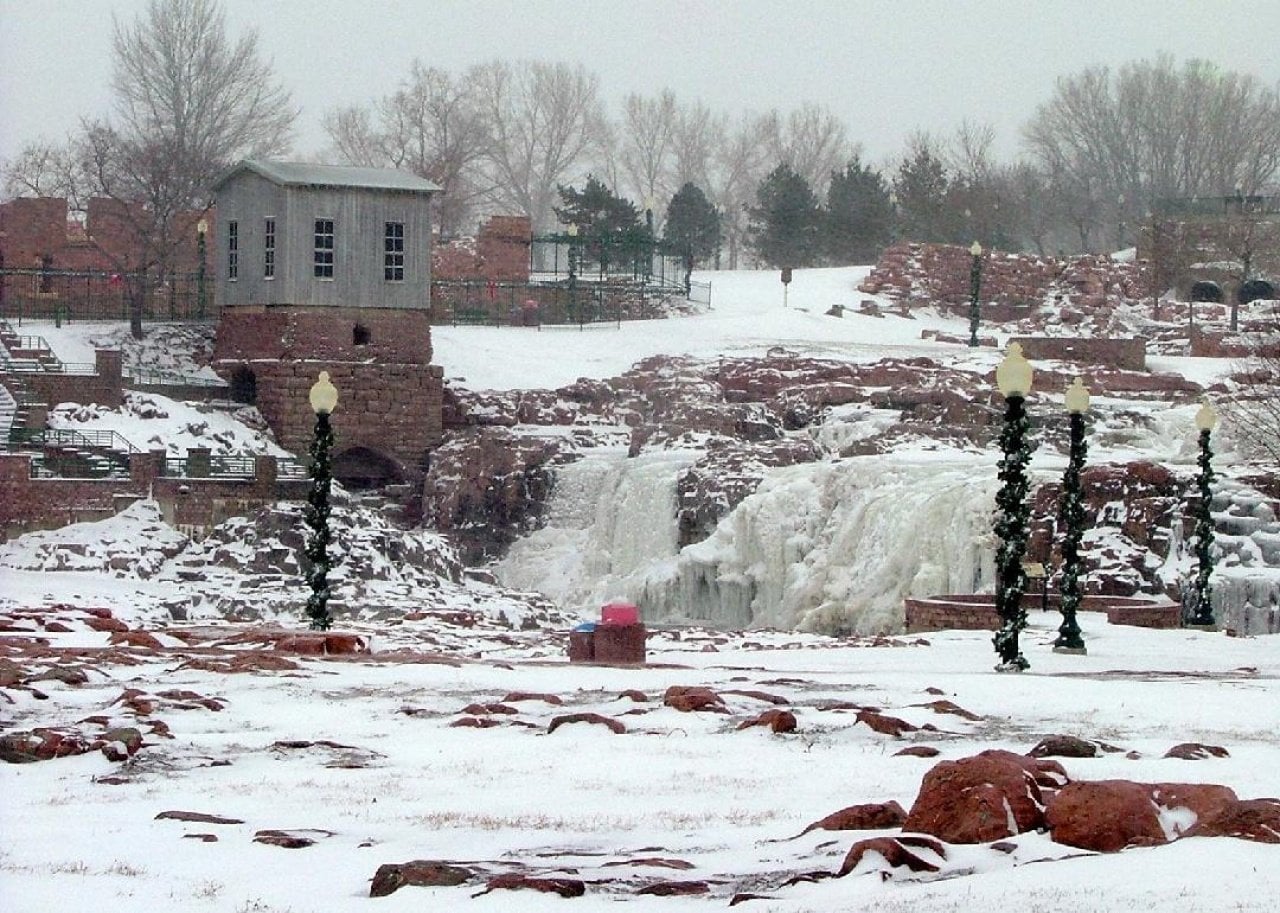
South Dakota
- All-time highest temperature: 120 F (Gann Valley on July 5, 1936, and Fort Pierre on July 15, 2006)
- All-time lowest temperature: -58 F (McIntosh on Feb. 17, 1936)
- All-time highest 24-hour precipitation: 8.74 inches (Groton on May 6, 2007)
- All-time highest 24-hour snowfall: 52 inches (Lead on March 14, 1973)
Record heat in 2006 resulted in the state's highest temperature in Fort Pierre, a city in Stanley County. The heat wave during July 2006 was so intense in South Dakota, Kansas, and Nebraska that it disrupted transportation links and strained electric power grids.
Canva
Tennessee
- All-time highest temperature: 113 F (Perryville on July 29, 1930, and Aug. 9, 1930)
- All-time lowest temperature: -32 F (Mountain City on Dec. 30, 1917)
- All-time highest 24-hour precipitation: 20.73 inches (McEwen on Aug. 21, 2021)
- All-time highest 24-hour snowfall: 30 inches (Mount Leconte on March 14, 1993)
Intense rainfall during a storm on Aug. 21, 2021, devastated the region between Waverly and McEwen, about 60 miles west of Nashville. The resulting flash flooding killed more than 20 people.
Outdoor Craziness // Wikimedia Commons
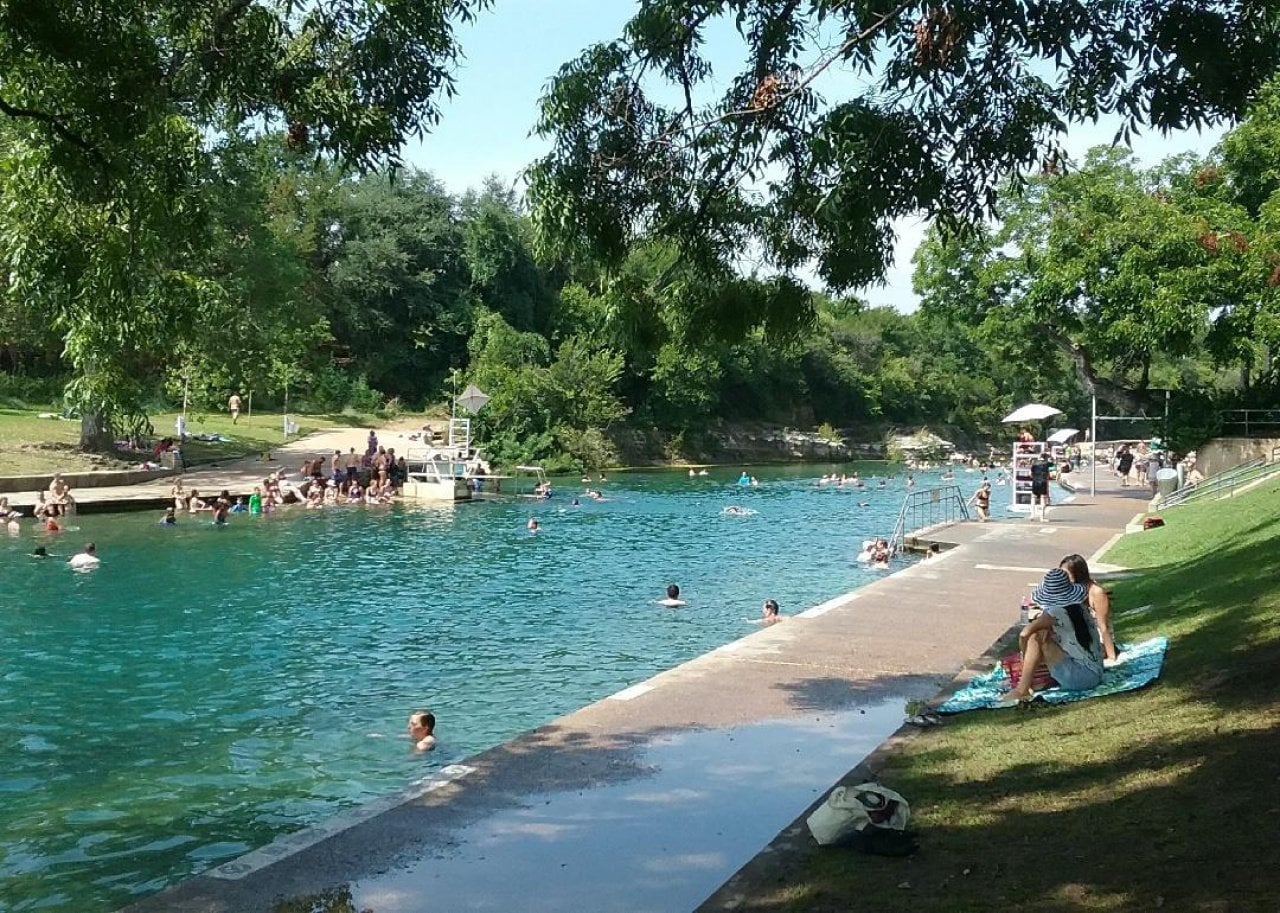
Texas
- All-time highest temperature: 120 F (Seymour on Aug. 12, 1936, and Monahans on June 28, 1994)
- All-time lowest temperature: -23 F (Seminole on Feb. 8, 1933, and Tulia 6NE on Feb. 12, 1899)
- All-time highest 24-hour precipitation: 42 inches (Alvin on July 25, 1979)
The sweltering heat wave of 1936 that spiked a record temperature on Seymour claimed the lives of 5,000 people across the U.S. but didn't receive widespread coverage by leading newspapers at the time. The temperature hit 120 again 58 years later, 300 miles southwest of Seymour.
Silvia Truessel // Shutterstock
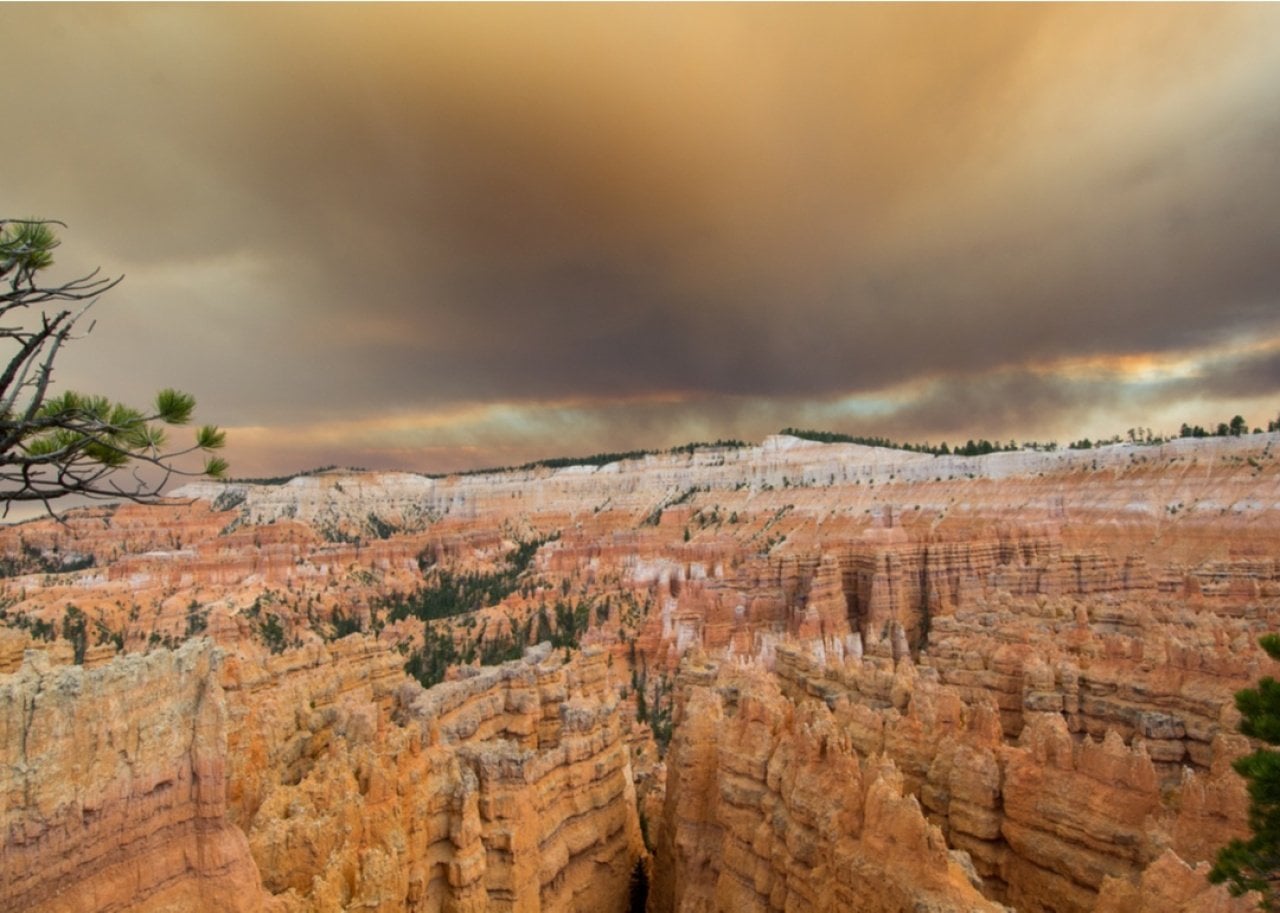
Utah
- All-time highest temperature: 117 F (St. George on July 5, 1985, and July 10, 2021)
- All-time lowest temperature: -50 F (Strawberry Tunnel (East) on Jan. 5, 1913)
- All-time highest 24-hour precipitation: 5.08 inches (Deer Creek Dam on Feb. 1, 1963)
Utah is famous for its ski resorts and ample amount of snowfall during winters, but summers can get unbearably hot. St. George's arid weather makes it far warmer than other parts of Utah, thanks to its location in the Mojave Desert, which explains why it holds the record at 117 degrees.
Canva
Vermont
- All-time highest temperature: 107 F (Vernon on July 7, 1912)
- All-time lowest temperature: -50 F (Bloomfield on Dec. 30, 1933)
Bloomfield, a town with a tiny population of 221 people (as of the 2010 census), recorded the state's most unbearably cold temperature in 1933. And neither Hurricane Irene in 2011 nor the unnamed storm that unleashed flooding across Vermont in mid-July 2023 dumped as much rain in a short time as a September 1999 storm. It registered 9.92 inches of precipitation on Mount Mansfield, Vermont's highest peak.
Canva
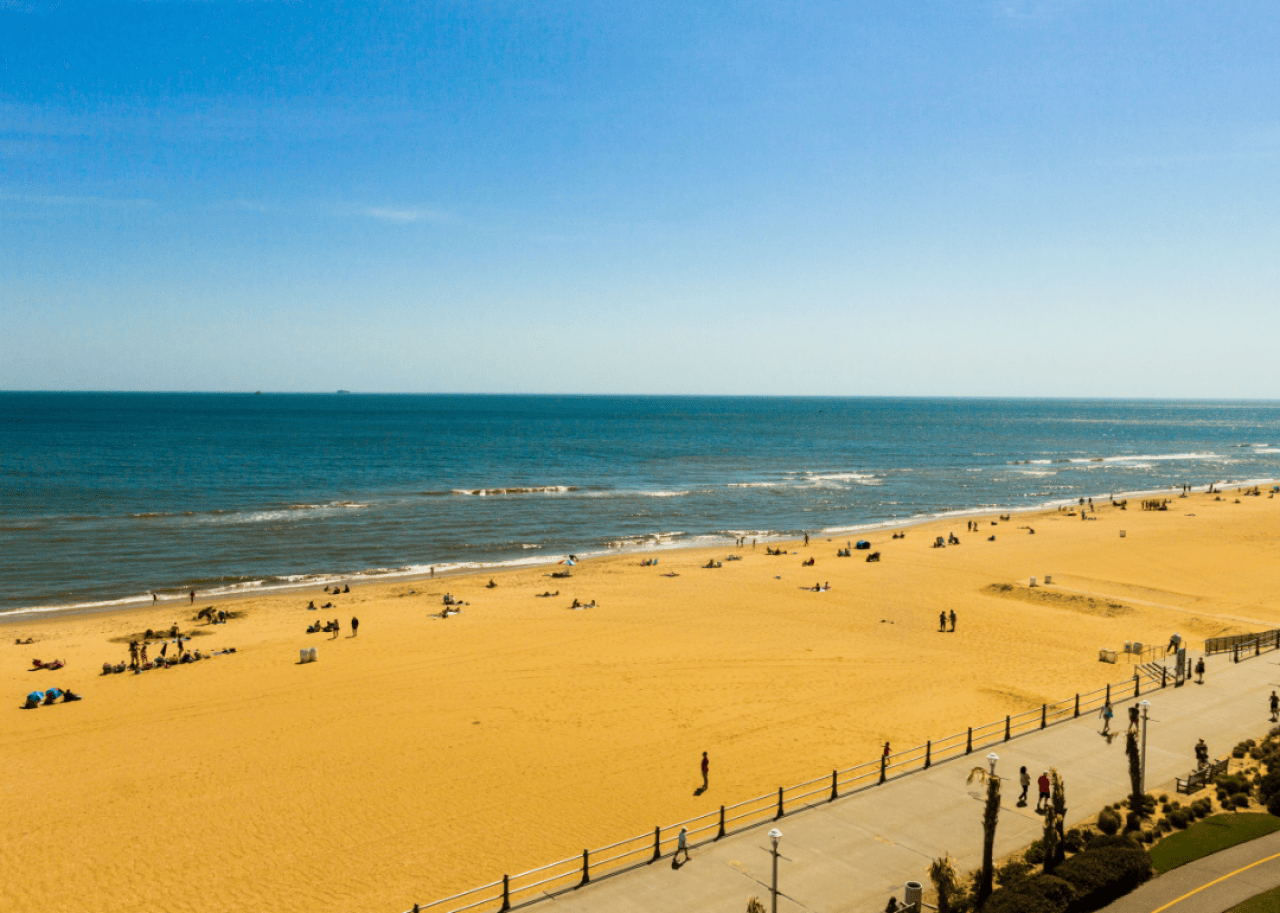
Virginia
- All-time highest temperature: 110 F (Columbia on July 5 and 7, 1900, and Balcony Falls on July 15, 1954)
- All-time lowest temperature: -30 F (Mountain Lake Biological Station on Jan. 21, 1985)
- All-time highest 24-hour snowfall: 33.5 inches (Luray 5E on March 3, 1994)
Hurricane Floyd caused four deaths in Virginia in 1999 and cost the state $150 million after severely damaging thousands of houses, businesses, and crops. Hundreds of residents had to be evacuated as the water levels increased to several feet. The hurricane affected Williamsburg, Richmond, and other parts of the state, like Hanover County and Southampton County.
Bill45 // Shutterstock
Washington
- All-time highest temperature: 120 F (Hanford on June 29, 2021)
- All-time lowest temperature: -48 F (Mazama and Winthrop on Dec. 30, 1968)
Crystal Mountain, the biggest ski resort in the state of Washington, is located in the Cascade Range, about two hours away from Seattle. Twenty-five years after breaking records for the highest snowfall within 24 hours in 1994, the resort was covered in more than 7 feet of snow within a week in February 2019—31.5 inches of snow fell In a single day.
Malachi Jacobs // Shutterstock
West Virginia
- All-time highest temperature: 112 F (Moorefield on Aug. 4, 1930, and Martinsburg on July 10, 1936)
- All-time lowest temperature: -37 F (Lewisburg on Dec. 30, 1917)
- All-time highest 24-hour precipitation: 12.02 inches (Brushy Run on June 18, 1949)
- All-time highest 24-hour snowfall: 35 inches (Flat Top on Jan. 27, 1998)
A massive blizzard struck West Virginia on Jan. 20, 1978—it shut down the government for an entire day and paralyzed Kanawha Valley. However, the snowfall recorded back then still doesn't compare to the all-time highest record of 35 inches in Flat Top in 1998.
Canva
Wisconsin
- All-time highest temperature: 114 F (Wisconsin Dells on July 13, 1936)
- All-time lowest temperature: -55 F (Couderay on Feb. 2 and 4, 1996)
- All-time highest 24-hour precipitation: 11.72 inches (Mellen on June 24, 1946)
From Feb. 1 to Feb. 4, 1996, arctic temperatures swept across the Upper Mississippi River Valley. Wisconsin experienced its coldest and most hostile weather in Couderay on Feb. 4. Situated in Sawyer County, the small and nondescript village was the victim of a frigid air mass that settled into the region and resulted in two days with the state's record low temperature.
Canva
Wyoming
- All-time highest temperature: 115 F (Basin on Aug. 8, 1983, and Diversion Dam on July 15, 1988)
- All-time lowest temperature: -66 F (Riverside Ranger Stn., Yellowstone NP on Feb. 9, 1933)
- All-time highest 24-hour precipitation: 6.06 inches (Cheyenne on Aug. 1, 1985)
- All-time highest 24-hour snowfall: 49 inches (Hunter Station on March 21, 1924)
Yellowstone National Park's unparalleled natural beauty features geysers, hot springs, lush forests, and picturesque canyons. That beauty can come with brutal weather, though: In the winter of 1933, a few miles east of the park's west entrance, the temperature recorded was -66 degrees.
Story editing by Jeff Inglis. Copy editing by Kristen Wegrzyn. Photo selection by Clarese Moller.
Kiley maintains lead in California congressional race
(The Center Square) – With less than a month to go in the vote count, U.S. Rep. Kevin Kiley continues to hold onto the lead in the race for California Congressional District 6.
According to the California Secretary of State’s website, Kiley, an independent from Rocklin, has 46,921 votes or 24.3%.
Democratic candidate Richard Pan, a pediatrician, has 44,805 votes or 23.2%.
Republican Michael Stansfield, an applications engineer and author, is in third with 38,823 votes or 20.1%.
There are 25 days remaining in the counting process.
Under California law, the two candidates with the greatest number of votes in the June 2 primary, regardless of party affiliation, will go on to the Nov. 3 general election.
District 6 includes portions of Placer, Sacramento, and Yolo Counties. Formerly known as District 3, the area was redrawn to favor Democrats. Currently 415 ballots remain uncounted in Placer County compared to Sacramento County’s 3,216 and Yolo County’s 1,036. Together, they make up 4,667 ballots.
Other candidates on the ballot are Democrats Lauren Babb Tomlinson (12.3%), Thien Ho (10.7%), Martha Guerrero (7.9%), and Tyler Vandenberg (1.6%).
Kiley was first elected to Congress as a Republican but changed to an independent earlier this year. He continues to caucus with Republicans.
“The reason for my change is because I think partisanship has gotten out of control in Congress, and it’s really doing great damage to our country,” Kiley told The Center Square in April. “Of course, the redistricting war is a very clear manifestation of that.”
In May, Kiley told The Center Square that the No. 1 issue for him was cost of living.
“We lead the nation in highest gas prices, highest electricity prices, with water and housing and groceries, and much of that is because of overreaching state policies, which are not well adapted to what will make things affordable in our state,” Kiley said.
According to AAA, the average price in the Golden State on Monday was $5.74 a gallon, far above the national average of $4.06.
"I'm doing everything I can to restore some balance, to bring prices down, to serve as a check and balance on some of these runaway policies," Kiley said in May. "And I think we've had some success in doing that, but we certainly have a long way to go to make things more affordable in California.
California's economic problems include the nation's highest unemployment rate and homelessness.
Pan is scheduled to have a press conference Tuesday in Sacramento.
“Following the June primary election, CA-06 is one of Democrats’ strongest pickup opportunities in the country,” said the Pan for Congress campaign in a press release. “The decisive passage of Proposition 50 has further strengthened Democrats’ position in the district, creating a clear path to victory in November.”
Last week, Pan was added to the Democratic Congressional Campaign Committee’s Red to Blue program. The Pan campaign said this underscores the race’s growing national significance.
Trump throws another curveball at FISA Section 702 reauthorization
(The Center Square) – President Donald Trump has once again complicated Republican leadership’s plans in Congress, demanding Monday that lawmakers attach voter ID legislation to the spy powers reauthorization bill.
House lawmakers failed to even pass a short-term extension of Section 702 of the Foreign Intelligence Surveillance Act before recessing Friday, hours before the president offered a belated olive branch to Democrats.
Democrats’ almost universal opposition to the FISA Section 702 extension stemmed from Trump’s controversial appointment of Bill Pulte as the new acting director of National Intelligence.
Had Trump announced his nomination of Jay Clayton, the broadly respected former U.S. Securities and Exchange Commission chairman, to be the next DNI prior to the Friday vote, the extension might have passed.
Yet even as Republican leaders scrambled to schedule a confirmation hearing for Clayton and restart negotiations with Democrats over the now-expired Section 702, Trump threw another curveball Monday.
In a Truth Social post, the president announced that he would be “against FISA if it doesn’t come with The Save America Act (Full version!) firmly attached to it.”
The demand is politically impossible for Republicans, who don’t have enough votes in the Senate for the House-passed legislation to overcome the 60-vote threshold.
The SAVE America Act would mandate that Americans display a valid ID to vote in federal elections, require people to present proof of citizenship when registering to vote, and necessitate in-person voter registration for federal elections. It also directs all states to remove all noncitizens from their voter rolls.
Under the legislation, people would not be able to register to vote with only their driver's license, since noncitizens can obtain that. They would instead need to present documents proving U.S. citizenship, such as a birth certificate or U.S. passport.
Democrats argue that the in-person registration and proof of citizenship requirements would unduly burden Americans who are disabled, live in remote areas, or don’t have access to the correct documentation.
The House-passed SAVE America Act, which would strengthen voter identification requirements nationwide, faltered and effectively died in the Senate after it became clear that every Democratic senator would oppose it.
Though a handful of Republican senators are calling for a termination of the filibuster, Sen. John Cornyn, R-Texas, echoed the sentiments of Republican leadership in a social media post – “Not gonna happen, and every one (except the naive or misinformed) knows it.”
Leadership will likely ignore Trump’s demand, given that a FISA Section 702 extension is definitively doomed if the SAVE America Act is attached. Since the House does not return from recess until June 22, Section 702 won’t be renewed until next week at the earliest.
In the meantime, Clayton will appear Wednesday before the Senate Intelligence Committee, though he likely won’t be confirmed until late next week.
















(0) comments
Welcome to the discussion.
Log In
Post a comment as Guest
Keep it Clean. Please avoid obscene, vulgar, lewd, racist or sexually-oriented language.
PLEASE TURN OFF YOUR CAPS LOCK.
Don't Threaten. Threats of harming another person will not be tolerated.
Be Truthful. Don't knowingly lie about anyone or anything.
Be Nice. No racism, sexism or any sort of -ism that is degrading to another person.
Be Proactive. Use the 'Report' link on each comment to let us know of abusive posts.
Share with Us. We'd love to hear eyewitness accounts, the history behind an article.