(The Center Square) – A majority of American voters support President Donald Trump’s push for diplomacy to bring about an end to the conflict with Iran, according to the latest The Center Square Voters’ Voice Poll.
Fifty percent of American voters believe the U.S. should avoid further military action against Iran, instead focusing on diplomacy; whereas 40% of Americans believe the U.S. should continue military operations against Iran to ensure the Islamic Republic doesn’t develop nuclear weapons, with 10% unsure.
Of the 50% supporting a diplomatic resolution, 74% identify as Democrats, while only identify as Republicans.
Of those who believe the U.S. should continue military action, 64% identify as Republicans and only 18% as Democrats.
The Center Square Voters' Voice Poll was conducted by Noble Predictive Insights, a nonpartisan public opinion polling firm, from June 1-4, 2026, and surveyed registered voters nationally via opt-in online panel and text-to-web cell phone messages. The sample included 2,585 respondents, comprised of 915 Republicans, 1,013 Democrats, and 297 True Independents. The margin of error is +/- 1.93%. It is among the most comprehensive tracking polls in the country.
The conflict in Iran began Feb. 28 when the U.S. and Israel launched joint strikes, taking out top Iranian political and military leaders, leaving the country with “disjointed” leadership as described by the Trump administration.
For over a month, the U.S. led intensive strikes on the Islamic Republic, targeting its military infrastructure and gaining air superiority.
The U.S. and Iran agreed to a ceasefire, which took effect on April 8. Since then, the U.S. has continued enforcement of a complete naval blockade on Iranian ports, which the Trump administration claims is costing the Islamic Republic $400 to $500 million a day in economic loss.
Despite the blockade, Iran has maintained a chokehold on the Strait of Hormuz, causing oil prices to rise globally.
During the more than two months of the ceasefire, Trump has lobbied hard for a diplomatic resolution, while maintaining that “Iran cannot have a nuclear weapon,” as he has told The Center Square multiple times.
The poll comes on the heels of a rollercoaster week for the conflict, which took a sharp turn when an Iranian drone struck a U.S. Army Apache helicopter over the Strait of Hormuz. While both crew members were rescued unharmed, the incident sparked two days of “self-defensive” strikes.
On Tuesday, it appeared the president had run out of patience with Iran and the long-drawn-out talks, telling reporters that he believed Iran had been “tapping” the U.S. to strike a deal.
Trump warned that time had run out for Iran and that the U.S. was prepared to resume intense military operations in Iran.
“Iran is all talk and no action. The bully of the Middle East is DEAD!!! They’ve taken too long to negotiate a deal that would have been great for them, now they will have to pay the price!!!” the president wrote on Truth Social.
Following an additional night of intense strikes, Trump threatened to take control of Kharg Island, located in the Persian Gulf, which is key to Iran’s economy as it processes nearly 90% of the country’s oil exports.
Within hours, Trump abruptly canceled the strikes, citing a deal had been reached with Iran, proclaiming the war with Iran had been ended.
The president claims a deal could be signed as soon as the weekend, potentially in Europe, with Vice President JD Vance leading a delegation.
(The Center Square) - California Gov. Gavin Newsom has alleged President Donald Trump and the U.S. Department of Justice are investigating him and his wife, Jennifer Siebel Newsom, without cause.
(The Center Square) - A U.S. Air Force B-52 Stratofortress crashed shortly after takeoff Monday morning from Edwards Air Force Base in Southern California.
Keep it Clean. Please avoid obscene, vulgar, lewd,
racist or sexually-oriented language. PLEASE TURN OFF YOUR CAPS LOCK. Don't Threaten. Threats of harming another
person will not be tolerated. Be Truthful. Don't knowingly lie about anyone
or anything. Be Nice. No racism, sexism or any sort of -ism
that is degrading to another person. Be Proactive. Use the 'Report' link on
each comment to let us know of abusive posts. Share with Us. We'd love to hear eyewitness
accounts, the history behind an article.
Newsom: Trump ordered investigation into him and his wife
(The Center Square) - California Gov. Gavin Newsom has alleged President Donald Trump and the U.S. Department of Justice are investigating him and his wife, Jennifer Siebel Newsom, without cause.
The news came from a Newsom social media post where he alleged the investigation was politically motivated ahead of the 2028 presidential race. Newsom, who's termed out as governor with his last day in office in January 2027, said he's considering a run for the White House.
“In recent days, federal agents have knocked on the doors of family friends and former employees,” said Newsom in avideoposted to his X social media account Monday afternoon. “Not because they found a crime – because they’re simply trying to find one.”
Newsom added that the U.S. Department of Justice had abused the grand jury system to go through “years and years of random documents,” about him and had demanded other records.
“He’s coming after me because I’m considering running for president, because he hates that I’ve consistently called him out for his lies and deceit,” Newsom said about Trump in the video.
The Center Square reached out for comment Monday afternoon to the White House, which referred The Center Square to the Department of Justice. The DOJ did not respond to a request for comment.
Newsom has emerged as an early favorite for the Democratic presidential nominee.National polling in Mayplaced him among the top Democratic candidates alongside Rep. Alexandria Ocasio Cortez of New York and Pete Buttigieg, according to Emerson College Polling. Meanwhile, The Center Square Voters' Voice Poll, conducted June 4-6 among registered voters who identify as Democrats and left-leaning independents, shows former Vice President Kamala Harris as the Democratic frontrunner in the 2028 presidential race at 27% of 1,227 polled. Newsom was a distant second among the names listed, with 14% support, The Center Square reported. The polling shows support for Newsom and Harris may be shifting to other Democrats.
Newsom said he welcomes the attention from Trump.
“One by one, anyone who has challenged Donald Trump has ended up on his hit list,” said Newsom. “And today, I proudly join that list.”
The Department of Justice has investigated Trump’s political enemies since he took office for his second term. Former FBI directorJames Comeyhas been indicted multiple times after investigating claims of Russian involvement in the 2016 presidential election, while the Department of Justice recently opened an investigation intoE. Jean Carroll, who successfully sued Trump for a combined $88.3 million for sexual abuse and defamation.
Newsom said Trumpcalled for his arrestlast year, but said the president was looking in the wrong direction to find corruption. “We have nothing to hide.”
Trump and Newsom have long traded blows over issues from immigration to the economy and climate change. Newsom has also often done online and social mediaparodiesof Trump’s more controversial decision.
“Let me say it again,” said Newsom. “Mr. President, come after me. I’m not going anywhere, and the country is watching.”
The Center Square reached out to the Governor's Office Monday afternoon, but did not get an immediate response.
B-52 bomber crashes after takeoff from California base
(The Center Square) - A U.S. Air Force B-52 Stratofortress crashed shortly after takeoff Monday morning from Edwards Air Force Base in Southern California.
Eight people were aboard the aircraft, which was on a routine test mission, Edwards noted in a news release. "Initial indications are the craft was not survivable."
Emergency crews responded immediately when the crash occurred at 11:20 a.m. at the airport, located in the Mojave Desert about 100 miles north of Los Angeles.
According to Edwards Air Force Base, the airfield has been closed, inbound aircraft are being rerouted, and noncommercial visitor passes have been suspended until further notice.
Emergency response operations are underway, and an investigation into the crash is ongoing.
The Center Square reached out Monday to Edwards Air Force Base for more comment, but was referred to the base's Facebook page, where Edwards said, “We will continue to update as more information is confirmed."
"Our thoughts and prayers are with the families and unit members at this time," Edwards said on Facebook.
The most extreme temperature ever recorded in every US state, based on data
Anuradha Varanasi
Mario Tama // Getty Images
Most extreme temperatures in the history of every state
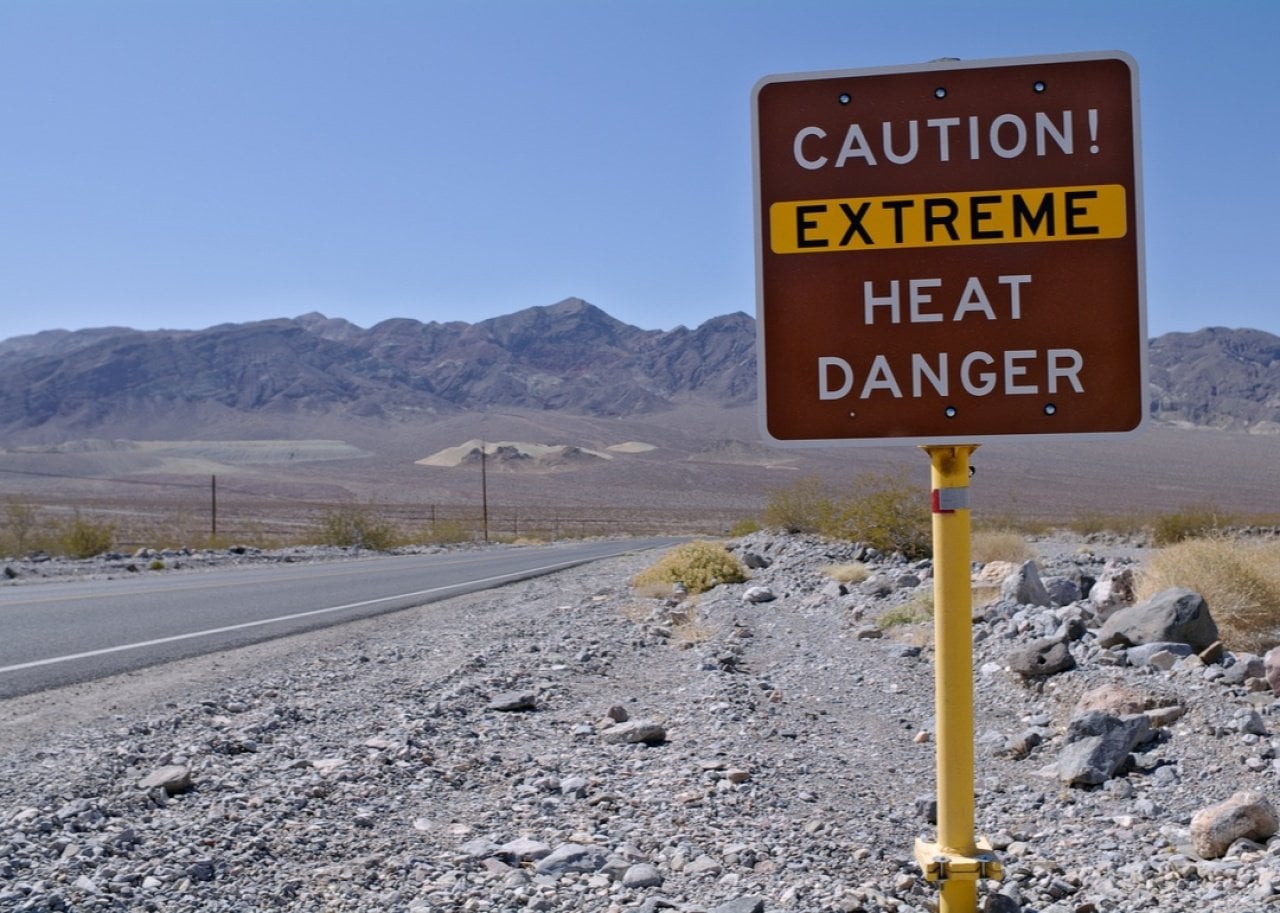
In January 2026, the World Meteorological Organization confirmed 2025 was among the hottest years on record. Of course, that's not particularly surprising, considering the last 11 years have all made the list of the top 11 warmest years recorded.
In fact, 2025 was the third-warmest year on record, just behind 2024 and 2023—the first time a three-year period has averaged more than 1.5°C above pre-industrial levels. Extreme heat events continue to be a regular occurrence. In March 2026, a heat wave across the southwestern U.S. sent temperatures soaring to record highs in Arizona and Southern California. And it's unlikely we'll see an end to these conditions anytime soon—according to Climate Central, human-caused climate change has made this excessive heat three times more likely for half the U.S. population.
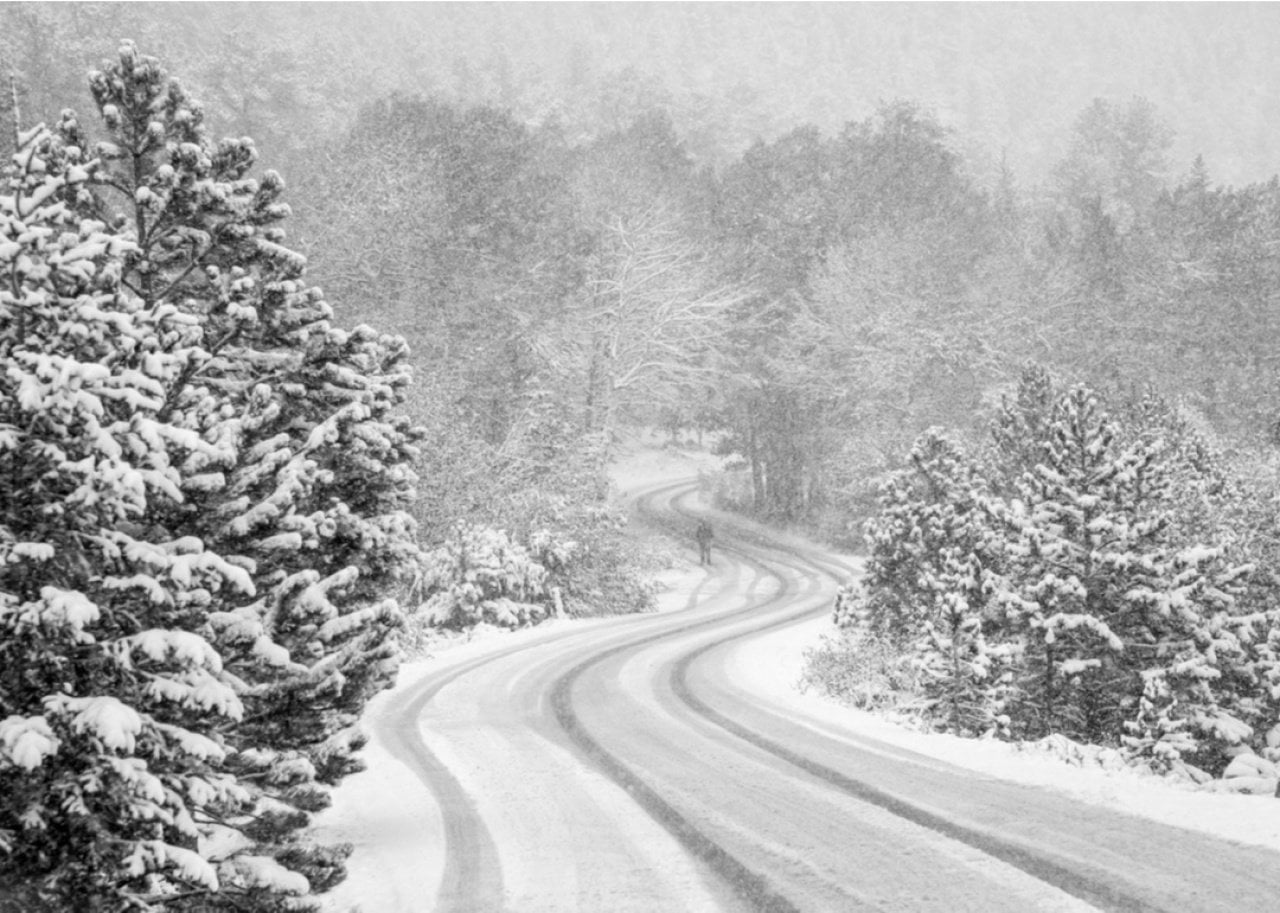
High heat isn't the only thing we have to worry about. The winter of 2025-26 proved especially severe for much of the Midwest and Northeast, with the coldest and snowiest conditions since 2017-18. Temperatures in late January averaged 10-15 degrees below normal in cities like Minneapolis, Chicago, Detroit and Pittsburgh, and dozens of Midwest and Northeast cities were classified as experiencing a severe winter.
As extreme weather events and record-setting temperatures become the norm across much of the U.S., Stacker consulted 2023 data from NOAA's State Climate Extremes Committee to identify the hottest and coldest temperatures ever recorded in each state and Puerto Rico. Each slide also reveals the all-time highest 24-hour precipitation record and 24-hour snowfall.
Keep reading to find out individual state records in alphabetical order.
Canva
Alabama
- All-time highest temperature: 112 F (Centerville on Sept. 6, 1925)
- All-time lowest temperature: -27 F (New Market on Jan. 30, 1966)
- All-time highest 24-hour precipitation: 32.52 inches (Dauphin Island Sea Lab on July 19, 1997)
- All-time highest 24-hour snowfall: 20 inches (Walnut Grove on March 13, 1993)
Despite being a subtropical town, on March 13, 1993, Walnut Grove was covered in 20 inches of snow. The extreme weather was termed the "Superstorm of 1993" by the National Weather Service because of its size and strength, equal to a Category 3 hurricane. At one point, the storm system ran from Eastern Canada to Central America.
Nickolas warner // Shutterstock
Alaska
- All-time highest temperature: 100 F (Fort Yukon on June 27, 1915)
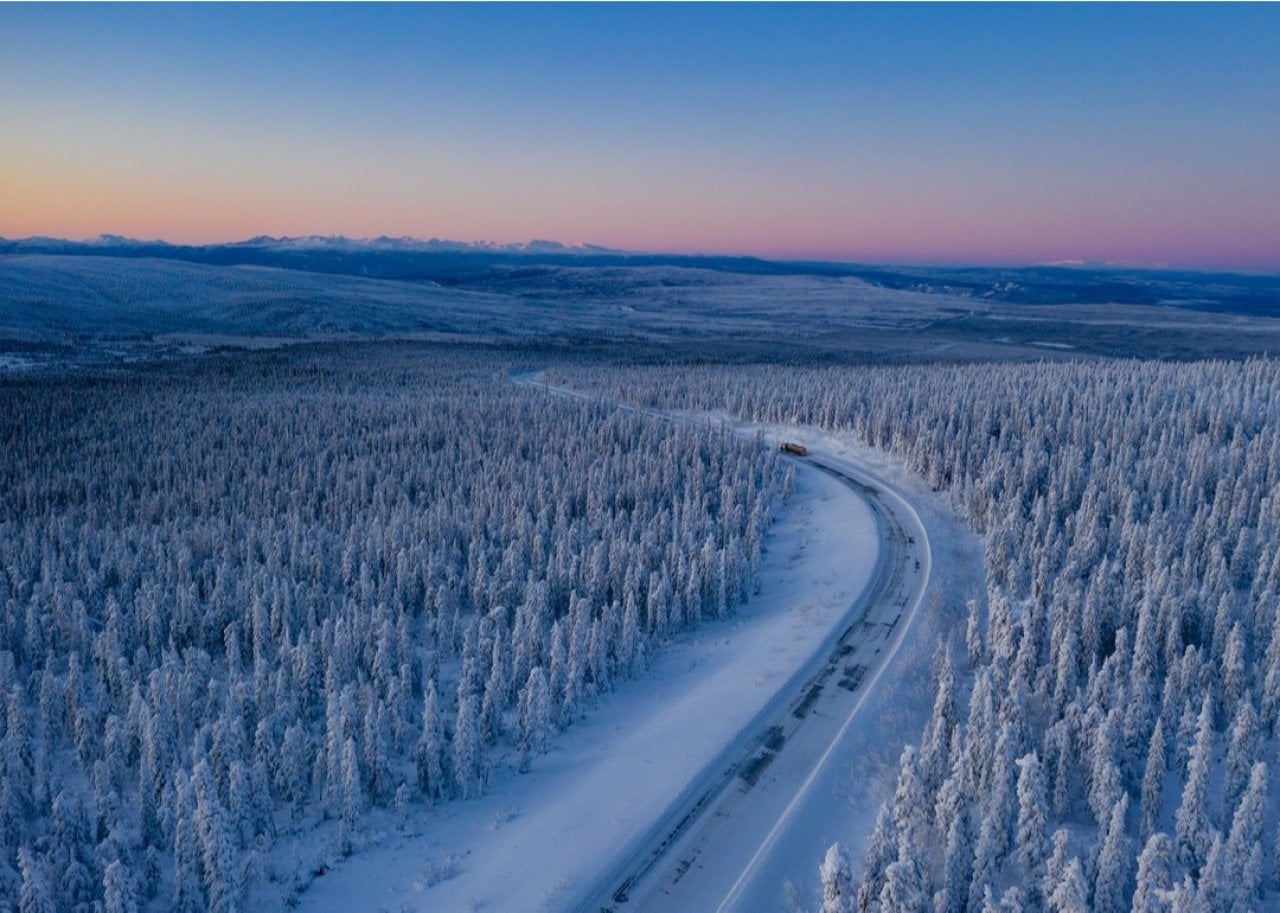
- All-time lowest temperature: -80 F (Prospect Creek Camp on Jan. 23, 1971)
Prospect Creek recorded the coldest-ever U.S. temperature of -80 degrees in 1971. On Oct. 10, 1986, Seward experienced more rainfall than anywhere else in Alaska due to an unrelenting rainstorm. The highways and the railroads took a massive hit during the three-day rainstorm, and the region was declared a federal disaster area.
In October 2018, the city of Seward declared an emergency after recording nearly 5 inches of rain over several days of heavy rainfall. Heavy flooding yet again caused debris to block several roads.
Canva
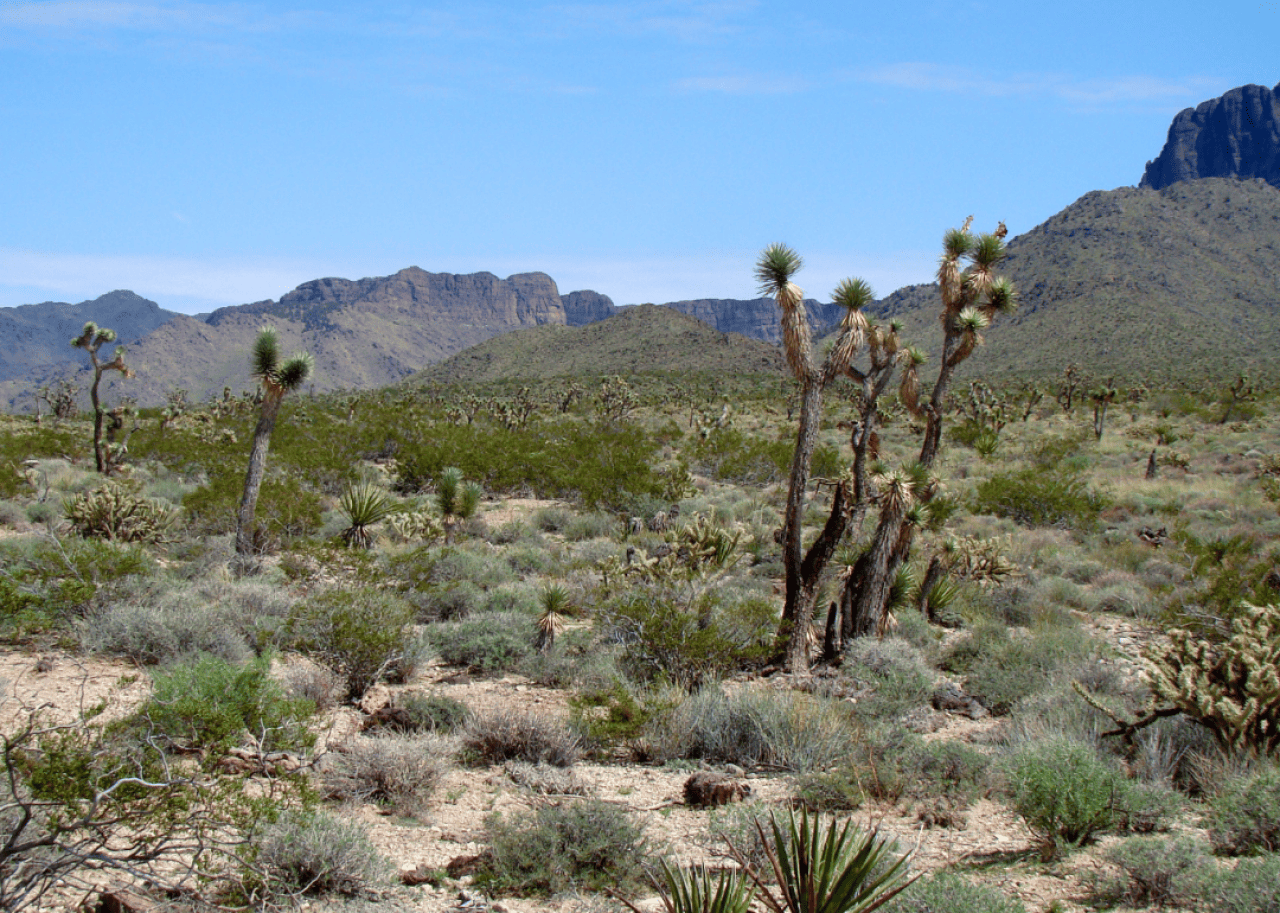
Arizona
- All-time highest temperature: 128 F (Lake Havasu City on June 29, 1994)
- All-time lowest temperature: -40 F (Hawley Lake on Jan. 7, 1971)
- All-time highest 24-hour precipitation: 11.4 inches (Workman Creek on Sept. 4, 1970)
On the far western border of Arizona, Lake Havasu City saw the highest temperature in state history on June 29, 1994. But seven years earlier, the state's largest snowfall was recorded on the extreme eastern side of Arizona.
Tammy Chesney // Shutterstock
Arkansas
- All-time highest temperature: 120 F (Ozark on Aug. 10, 1936)
- All-time lowest temperature: -29 F (Brook Farm Pond near Gravette on Feb. 13, 1905)
"The Great Heat Wave of 1936" affected around 15 states during its three-week run, bringing temperatures above 100 degrees. Still, Ozark topped the charts by reaching 120 degrees. Also known as the "1936 North American Heat Wave," it exacerbated human suffering during the ongoing Great Depression.
Angel DiBilio // Shutterstock
California
- All-time highest temperature: 134 F (Greenland Ranch on July 10, 1913)
- All-time lowest temperature: -45 F (Boca on Jan. 20, 1937)
- All-time highest 24-hour snowfall: 67 inches (Echo Summit Sierra at Tahoe on Jan. 5, 1982)
Death Valley's Greenland Ranch holds the record for the highest temperature ever recorded at 134 degrees in 1913. But On Jan. 20, 1937, Boca—a former reservoir located in Nevada County—recorded a mind-numbingly cold temperature of -45 degrees.
Bob Pool // Shutterstock
Colorado
- All-time highest temperature: 115 F (John Martin Dam on July 20, 2019)
- All-time lowest temperature: -61 F (Maybell on Feb. 1, 1985)
- All-time highest 24-hour precipitation: 11.85 inches (USGS Rod & Gun, Ft. Carson, on Sept. 12, 2013)
- All-time highest 24-hour snowfall: 75.8 inches (Silver Lake on April 14, 1921)
During the 2013 floods that took place across Colorado, the highest precipitation levels were recorded on Sept. 12, 2013, at Fort Carson, a United States Army installation located in El Paso County.
Canva
Connecticut
- All-time highest temperature: 106 F (Danbury on July 15, 1995, and Torrington on Aug. 23, 1916)
- All-time lowest temperature: -32 F (Coventry on Jan. 22, 1961, and Falls Village on Feb. 16, 1943)
- All-time highest 24-hour precipitation: 12.77 inches (Burlington on Aug. 19, 1955)
On Aug. 19, 1955, the Great Flood of 1955 occurred in Burlington. The last time Connecticut had witnessed such heavy rainfalls was during colonial times. The state's high- and low-temperature records are shared by two locations on different days of different years.
Khairil Azhar Junos // Shutterstock
Delaware
- All-time highest temperature: 110 F (Millsboro on July 21, 1930)
- All-time lowest temperature: -17 F (Millsboro on Jan. 17, 1893)
Millsboro is one of the two cities in the United States that holds the record for the highest and lowest temperatures recorded in a state. Also of interest was a significant East Coast cyclone in 1979 that brought record-breaking snowfall to the Mid-Atlantic states. Because of this, Dover received the most snowfall in the history of Delaware's climate.
Compared to the 25 inches of snow recorded in Dover in February 1979, there was no snow in Delaware in January 2023, and only trace snowfall twice in February.
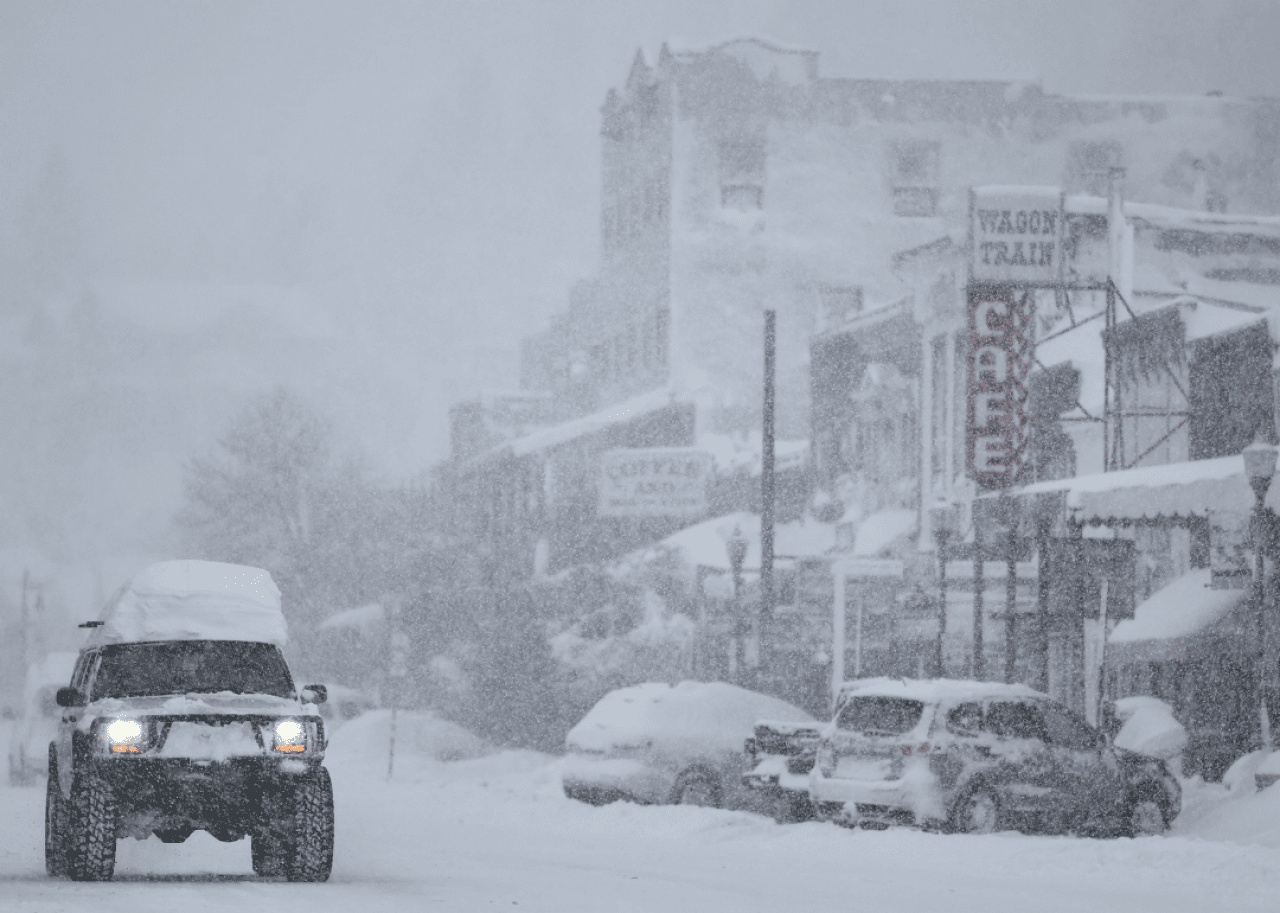
Noah Densmore // Shutterstock
Florida
- All-time highest temperature: 109 F (Monticello on June 29, 1931)
- All-time lowest temperature: -2 F (Tallahassee on Feb. 13, 1899)
- All-time highest 24-hour precipitation: 23.28 inches (Key West on Nov. 11, 1980)
- All-time highest 24-hour snowfall: 4 inches (Milton Exp. Stn. on March 6, 1954)
In 1980, Hurricane Jeanne formed in the Gulf of Mexico and indirectly struck Florida's Key West with heavy rainfall. The storm resulted in the heaviest rainfall Florida had ever witnessed within one day, which is impressive given the frequency with which big storms hit Florida.
Canva
Georgia
- All-time highest temperature: 112 F (Greenville 2 NNW on Aug. 20, 1983, and Louisville on July 24, 1952)
- All-time lowest temperature: -17 F (CCC Fire Camp F-16 near Beatum on Jan. 27, 1940)
- All-time highest 24-hour precipitation: 21.1 inches (Americus on July 6, 1994)
- All-time highest 24-hour snowfall: 19.3 inches (Cedartown 3NE on March 3, 1942)
The flood of 1994 in Americus included surging floodwaters that entered the city rapidly and were described as "fierce" by local news outlets. More than 100 small dams in nearby areas had reached capacity and started washing out directly on the roads. The deluge also damaged the railroad service, which took several months to recover even after the floodwaters receded.
Canva
Hawaii
- All-time highest temperature: 100 F (Pahala, Hawaii, on April 27, 1931)
- All-time lowest temperature: 12 F (Mauna Kea Observatory, Hawaii, on May 17, 1979)
- All-time highest 24-hour precipitation: 49.69 inches (Waipā Garden, Kauai, on April 14, 2018)
In April 2018, heavy rainfalls devastated the island of Kauai as dozens of homes were left in shambles in the island's towns, including Hanalei, Wainiha, Haena, and Anahola. The rainfall, which also hit Oahu, affected 532 houses on the two islands, according to the Hawaii Emergency Management Agency.
Canva
Idaho
- All-time highest temperature: 118 F (Orofino on July 28, 1934)
- All-time lowest temperature: -60 F (Island Park Dam on Jan. 18, 1943)
- All-time highest 24-hour precipitation: 7.17 inches (Rattlesnake Creek on Nov. 23, 1909)
- All-time highest 24-hour snowfall: 31 inches (Anderson Dam on Dec. 18, 1967)
Rattlesnake Creek in Elmore County was recorded on Nov. 23, 1909, to have received the most rainfall of 7.17 inches in one day. And in 1967, the Anderson Ranch Dam, southeast of Boise, recorded 31 inches of snowfall in one 24-hour period.
Jake Hukee // Shutterstock
Illinois
- All-time highest temperature: 117 F (East St. Louis on July 14, 1954)
- All-time lowest temperature: -38 F (Mt. Carroll on Jan. 31, 2019)
- All-time highest 24-hour precipitation: 16.91 inches (Aurora on July 18, 1996)
East St. Louis recorded the state's most sweltering temperature on July 14, 1954. While the residents of East St. Louis first woke up to stifling 100-degree heat, the temperature soared to 117 degrees by late afternoon. Residents in St. Louis recalled July 14, 1954, as the day "they were just cooked."
The Old Major // Shutterstock
Indiana
- All-time highest temperature: 116 F (Collegeville, south side of Rensselaer on July 14, 1936)
- All-time lowest temperature: -36 F (New Whiteland on Jan. 19, 1994)
- All-time highest 24-hour precipitation: 10.5 inches (Princeton on Aug. 6, 1905)
On Aug. 6, 1905, Princeton, a city in Indiana's Gibson County, recorded the highest one-day-long rainfall event in the state at 10.5 inches. And in July 1936, the entire state saw extreme heat, with Collegeville recording the highest temperature at 116 degrees.
Canva
Iowa
- All-time highest temperature: 118 F (Keokuk No. 2 on July 20, 1934)
- All-time lowest temperature: -47 F (Elkader on Feb. 3, 1996)
- All-time highest 24-hour precipitation: 13.18 inches (Atlantic 1NE on June 14, 1998)
- All-time highest 24-hour snowfall: 24 inches (Lenox on April 20, 1918)
The town of Atlantic in Iowa's Cass County experienced intense flooding on June 14, 1998, after heavy rainfall and a severe thunderstorm. Many bridges in the area were either damaged or completely destroyed, and all highways and roads had to be closed once the flooding started intensifying.
Canva
Kansas
- All-time highest temperature: 121 F (Fredonia on July 18, 1936, and Alton on July 24, 1936)
- All-time lowest temperature: -40 F (Lebanon on Feb. 13, 1905)
- All-time highest 24-hour precipitation: Not available
- All-time highest 24-hour snowfall: 30 inches (Pratt on March 28, 2009)
Pratt, a city with a population of 6,835 people, recorded the state's heaviest snowfall on March 28, 2009. A spring snowstorm resulted in a whopping 30 inches of snow falling within one day in Pratt.
Andre // Wikimedia Commons
Kentucky
- All-time highest temperature: 114 F (Greensburg on July 28, 1930)
- All-time lowest temperature: -37 F (Shelbyville on Jan. 19, 1994)
- All-time highest 24-hour precipitation: 11.28 inches (Mayfield 6SW between July 18 and July 19, 2023)
- All-time highest 24-hour snowfall: 26 inches (Simers on March 3, 1942)
The flood of 1997 in Louisville resulted in 10.48 inches of rainfall within one day on March 1, 1997. The deluge intensified when smaller streams started overflowing rapidly, which in turn caused the flooding along the Ohio River. As if the flooding wasn't bad enough, tornadoes were also reported from Arkansas to southern Kentucky.
Canva
Louisiana
- All-time highest temperature: 114 F (Plain Dealing 4W on Aug. 10, 1936)
- All-time lowest temperature: -16 F (Minden on Feb. 13, 1899)
- All-time highest 24-hour precipitation: 22 inches (Hackberry on Aug. 28, 1962)
Hackberry, a community in Cameron Parish, witnessed the state's heaviest rainfall between Aug. 28 and 29, 1962. A tropical depression that had first formed in the western Gulf of Mexico eventually struck the Texas and Louisiana border two days later before finally subsiding on Aug. 30, 1962.
Andy Thrasher // Wikimedia Commons
Maine
- All-time highest temperature: 105 F (North Bridgton on July 4 and 10, 1911)
- All-time lowest temperature: -50 F (Big Black River, nr. Saint Pamphile, PQ, on Jan. 16, 2009)
The state's highest rainfall or precipitation level was recorded at the Portland Jetport on Oct. 20–21, 1996, and resulted in severe flooding. According to the U.S. Geological Survey, one person was killed, and more than 2,100 homes and businesses were damaged.
Canva
Maryland
- All-time highest temperature: 109 F (Cumberland and Frederick on July 10, 1936, and Cumberland on Aug. 6-7, 1918)
- All-time lowest temperature: -40 F (Oakland on Jan. 13, 1912)
- All-time highest 24-hour precipitation: 14.75 inches (Jewel near Friendship on July 26, 1897)
- All-time highest 24-hour snowfall: 31 inches (Clear Spring 1ENE on March 29, 1942)
Maryland's most significant record 24-hour total rainfall was in Jewell on July 26-27, 1897. The town of Cumberland, in western Maryland, has twice recorded the state's highest temperature of 109 degrees.
Canva
Massachusetts
- All-time highest temperature: 107 F (Chester and New Bedford on Aug. 2, 1975)
- All-time lowest temperature: -35 F (Chester on Jan. 12, 1981, Coldbrook on Feb. 15, 1943, and Taunton on Jan. 5, 1904)
- All-time highest 24-hour precipitation: 18.15 inches (Westfield on Aug. 18, 1955)
- All-time highest 24-hour snowfall: 29 inches (Natick on April 1, 1997)
Westfield suffered from heavy flooding and rainfall in the middle of August 1955, making it the wettest day for the state. The Great Flood of 1955 affected Connecticut and Massachusetts, resulting from Hurricanes Connie—and then, a week later, Hurricane Diane.
Canva
Michigan
- All-time highest temperature: 112 F (Mio and Stanwood on July 13, 1936)
- All-time lowest temperature: -51 F (Vanderbilt on Feb. 9, 1934)
- All-time highest 24-hour precipitation: 12.92 inches (6E Fountain on July 20, 2019)
In July 2019, nearly 13 inches of rain was recorded falling in western Michigan in one 24-hour period, surpassing a record from 150 miles south that stood for more than a century.
Plume Photography // Shutterstock
Minnesota
- All-time highest temperature: 115 F (Beardsley on July 29, 1917)
- All-time lowest temperature: -60 F (Tower on Feb. 2, 1996)
- All-time highest 24-hour precipitation: 15.1 inches (Hokah 1S on Aug. 19, 2007)
Hokah, a city in Houston County, had the state's heaviest one-day rainfall on Aug. 19, 2007. The flood of 2007 claimed the lives of six people and also resulted in massive flooding in nearby counties.
Sean Pavone // Shutterstock
Mississippi
- All-time highest temperature: 115 F (Holly Springs 2N on July 29, 1930)
- All-time lowest temperature: -19 F (Corinth on Jan. 30, 1966)
- All-time highest 24-hour precipitation: 15.68 inches (Columbus on July 9, 1968)
- All-time highest 24-hour snowfall: 18 inches (Mt. Pleasant on Dec. 23, 1963)
The distance between the locations with the highest and lowest temperatures recorded in Mississippi is less than 70 miles, but the difference between those temperatures is 134 degrees. And a week before a massive "New Year's Snowstorm" swept through the Southern United States on Dec. 31, 1963, the small community of Mount Pleasant recorded an even larger snowfall, setting the state's record.
Canva
Missouri
- All-time highest temperature: 118 F (Union and Warsaw on July 14, 1954)
- All-time lowest temperature: -40 F (Warsaw on Feb. 13, 1905)
- All-time highest 24-hour precipitation: 18.18 inches (Edgerton on July 20, 1965)
Warsaw is one of two cities in the United States that holds the record for the highest and lowest temperatures recorded in a state. The other is Millsboro, Delaware. Four people died during the 1965 flood in Edgerton, and 729 residences were damaged or destroyed. Approximately 433,000 acres of agricultural land flooded during the deluge. The total damages the floods inflicted on properties cost Missouri $19.3 million.
Canva
Montana
- All-time highest temperature: 117 F (Glendive on July 20, 1893, Medicine Lake on July 5, 1937)
- All-time lowest temperature: -70 F (Rogers Pass on Jan. 20, 1954)
- All-time highest 24-hour precipitation: 11.5 inches (Circle, Springbrook, on June 20, 1921)
Montana's lowest temperature was recorded in 1954 at -70 degrees. But in early February 2019 and into the first week of March, Montana set a brand-new bone-chilling record for consecutive below-freezing days when Great Falls concluded its 32-day streak on March 8, 2019.
Canva
Nebraska
- All-time highest temperature: 118 F (Geneva on July 15, 1934, Hartington on July 17, 1936, and Minden on July 24, 1936)
- All-time lowest temperature: -47 F (Oshkosh on Dec. 22, 1989, and Bridgeport on Feb. 12, 1899)
- All-time highest 24-hour precipitation: 13.15 inches (York on July 8, 1950)
Before the unforgiving heat wave hit Geneva, Nebraska, in July 1934, the state was already struggling due to a severe drought that had worsened living conditions for farmers and other residents. During "The Heat Wave of 1934," people slept outdoors to escape the terrible heat in their houses. Two summers later, the heat was equally bad in two other Nebraska towns.
Canva
Nevada
- All-time highest temperature: 125 F (Laughlin on June 29, 1994)
- All-time lowest temperature: -50 F (San Jacinto on Jan. 8, 1937)
Nevada is no stranger to extreme heat. While the hottest day in Nevada was recorded in Laughlin in 1994, residents will likely be at an increased risk from exposure to extreme heat due to climate change, according to research published by the International Journal of Environmental Science and Technology.
Canva
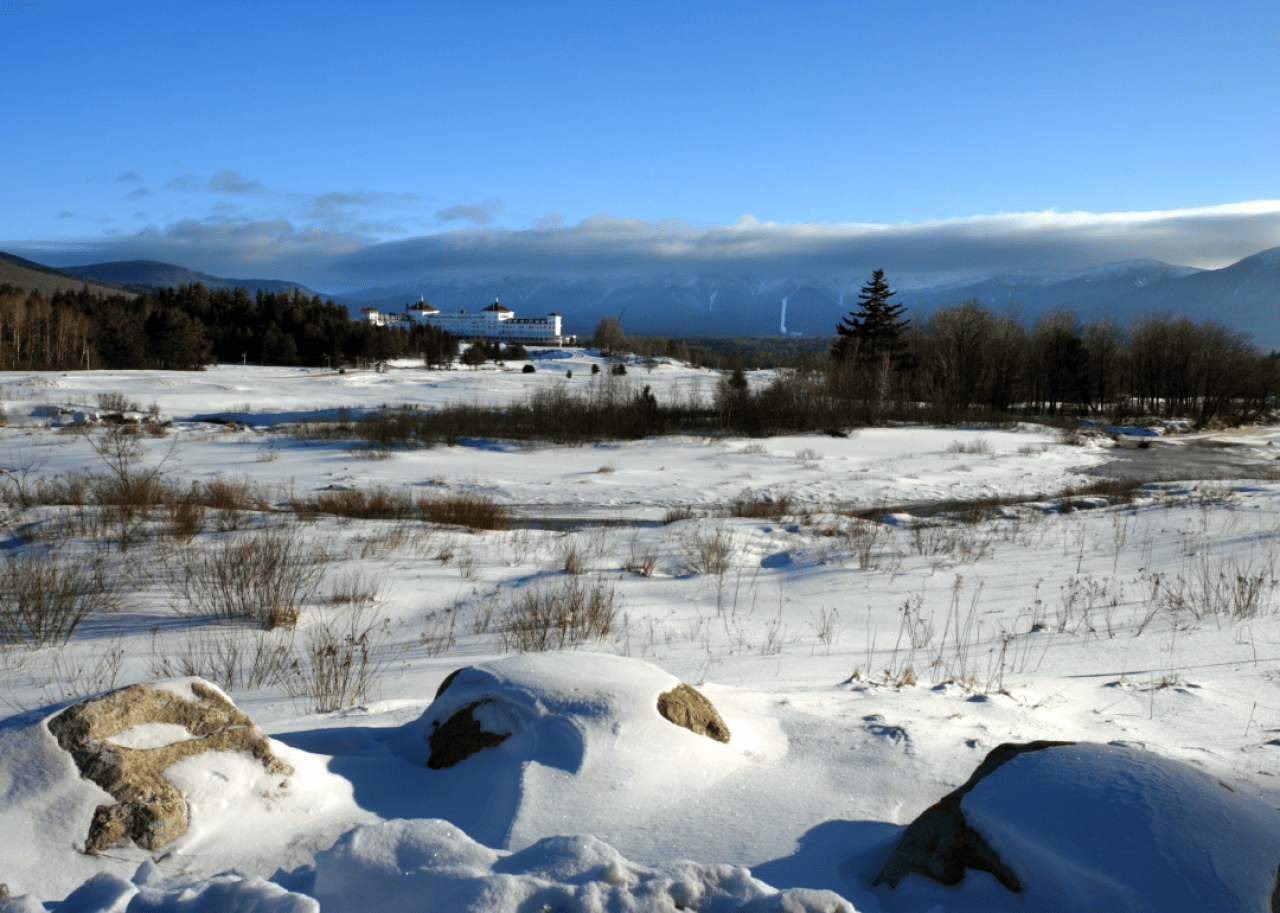
New Hampshire
- All-time highest temperature: 106 F (Nashua on July 4, 1911)
- All-time lowest temperature: -50 F (Mount Washington on Jan. 22, 1885)
- All-time highest 24-hour precipitation: 11.07 inches (Mount Washington on Oct. 20, 1996)
- All-time highest 24-hour snowfall: 49.3 inches (Mount Washington on Feb. 25, 1969)
New Hampshire's "100-Hour Snowstorm of February 1969" produced record snowfall for New Hampshire. The massive snowstorm affected the neighboring states of Massachusetts, Connecticut, Maine, and Vermont.
Canva
New Jersey
- All-time highest temperature: 110 F (Runyon on July 10, 1936)
- All-time lowest temperature: -34 F (River Vale on Jan. 5, 1904)
- All-time highest 24-hour precipitation: 14.81 inches (Tuckerton on Aug. 19, 1939)
According to New Jersey state climatologist David Robinson, several factors contributed to River Vale recording the state's coldest day in January 1904. Two of the biggest reasons were River Vale's barren landscape and position in a valley. To top that off, River Vale had some heavy snowfall on the same day.
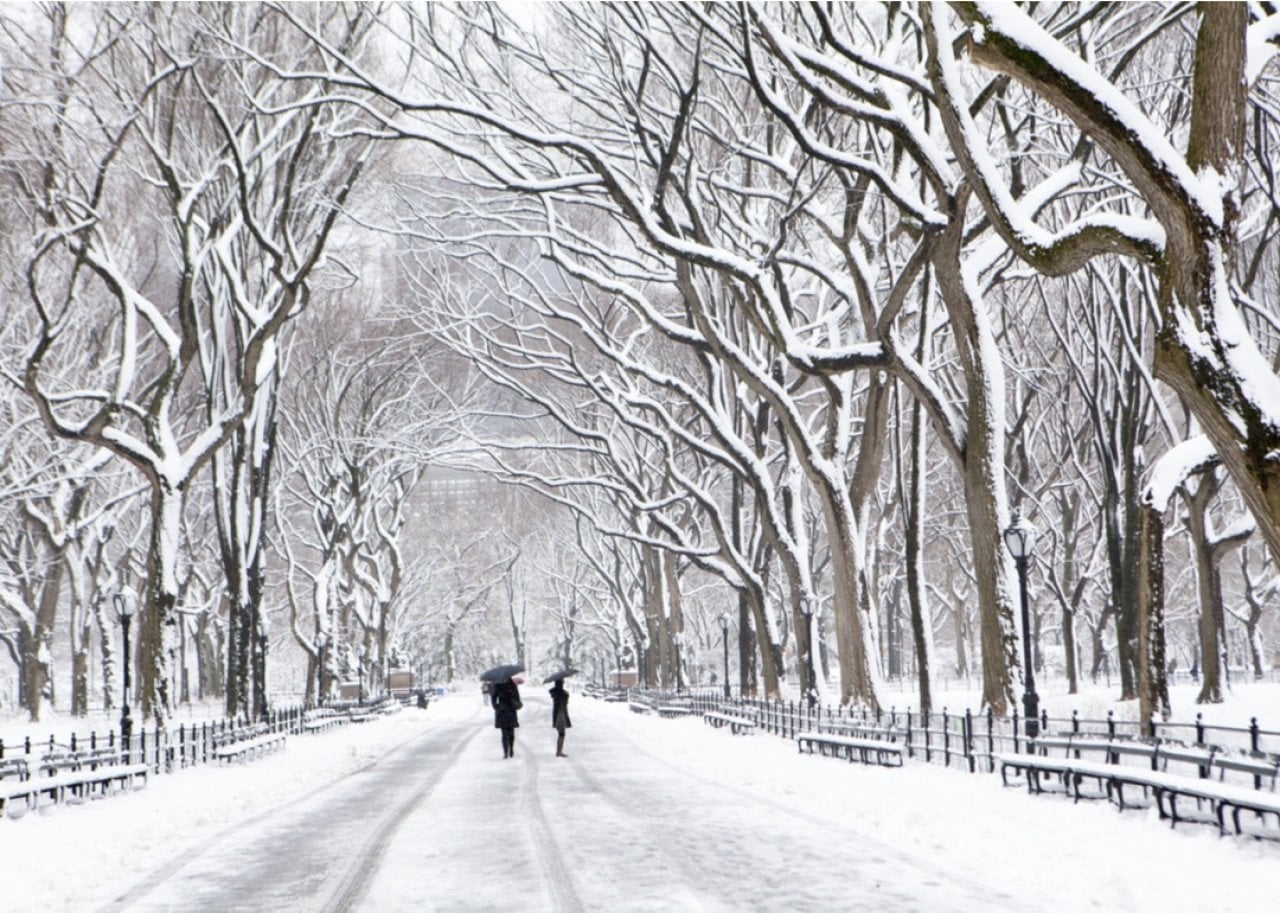
Spencer Platt // Getty Images
New Mexico
- All-time highest temperature: 122 F (Waste Isolation Pilot Plant nr. Loving on June 27, 1994)
- All-time lowest temperature: -50 F (Gavilan on Feb. 1, 1951)
- All-time highest 24-hour precipitation: 11.28 inches (Lake Maloya on May 18, 1955)
While New Mexico is known for its dry, desert environment, it averages fairly low temperatures during the peak of winter. But on Feb. 1, 1951, Gavilan in north Albuquerque experienced an Alaska-like winter at -50 degrees.
MISHELLA // Shutterstock
New York
- All-time highest temperature: 108 F (Troy on July 22, 1926)
- All-time lowest temperature: -52 F (Old Forge on Feb. 18, 1979)
- All-time highest 24-hour precipitation: 13.57 inches (Long Island MacArthur Airport on Aug. 12, 2014)
The historic Islip, Long Island, flash flooding on Aug. 12-13, 2014, took place after a torrential downpour. Several expressways, streets, and houses were completely water-logged. Countless crews had to work around the clock to pump out all the water.
Canva
North Carolina
- All-time highest temperature: 110 F (Fayetteville on Aug. 21, 1983)
- All-time lowest temperature: -34 F (Mount Mitchell on Jan. 21, 1985)
- All-time highest 24-hour precipitation: 22.22 inches (Altapass on July 15, 1916)
- All-time highest 24-hour snowfall: 36 inches (Mt. Mitchell on March 13, 1993)
After heavy rainfall lashed North Carolina, the French Broad and Swannanoa rivers started overflowing, resulting in the "Great Flood of 1916." The exact number of people who died during this deluge is still unknown, but it's estimated that at least a few dozen people lost their lives. Several dams were breached, and houses, warehouses, and industrial plants along the French Broad River were almost completely submerged.
Canva
North Dakota
- All-time highest temperature: 121 F (Steele on July 6, 1936)
- All-time lowest temperature: -60 F (Parshall on Feb. 15, 1936)
- All-time highest 24-hour precipitation: 8.1 inches (Litchville on June 29, 1975)
- All-time highest 24-hour snowfall: 27 inches (Minot Airport on April 27, 1984)
Parshall became intolerably frigid in February 1936 at -60 degrees Fahrenheit. This recording was made by a coal miner who had volunteered to be a weather observer, using a special mercury-thallium alloy thermometer because mercury-only thermometers would freeze before recording a temperature that low.
Canva
Ohio
- All-time highest temperature: 113 F (near Gallipolis on July 21, 1934)
- All-time lowest temperature: -39 F (Milligan on Feb. 10, 1899)
- All-time highest 24-hour precipitation: 10.75 inches (Lockington Dam nr. Sidney, Shelby Co. on Aug. 7, 1995)
- All-time highest 24-hour snowfall: 30 inches (Warren 3S on April 20, 1901)
During the statewide 1934 heat wave, residents of Gallipolis, a village in southeastern Ohio, bore the brunt of the highest temperature ever recorded in the state. Residents left their furnace-like houses hoping to find a shady spot to cool off, while many slept on their rooftops, porches, or lawns. The oppressive heat killed as many as 160 people between July 20 and 26.
Eugene R Thieszen // Shutterstock
Oklahoma
- All-time highest temperature: 120 F (Alva on July 18, Altus on July 19, Poteau on Aug. 10, and Altus on Aug. 12, 1936)
- All-time lowest temperature: -31 F (Nowata on Feb. 10, 2011)
The deadly 1973 flood in Enid started with relentless rainfall and ended only after killing nine people. According to The Oklahoman, residents had cut holes through their walls to climb up on rooftops in a desperate attempt to flee from the surging water levels. Several others tried to take shelter in their attics as their houses started filling up with water.
Christian Roberts-Olsen // Shutterstock
Oregon
- All-time highest temperature: 119 F (Moody Farms Agrimet and Pelton Dam on June 29, 2021)
- All-time lowest temperature: -54 F (Seneca on Feb. 10, 1933, and Ukiah on Feb. 9, 1933)
- All-time highest 24-hour snowfall: 47 inches (Hood River ES on Jan. 9, 1980)
On June 29, 2021, Moody Farms Agrimet tied Pelton Dam for the hottest summer day ever recorded in Oregon. Pelton Dam had held the previous record, set in 1898. And two towns 100 miles apart recorded the state's lowest-ever temperature on successive days in February 1933.
Mark Makela // Getty Images
Pennsylvania
- All-time highest temperature: 111 F (Phoenixville on July 9-10, 1936)
- All-time lowest temperature: -42 F (Smethport on Jan. 5, 1904)
- All-time highest 24-hour precipitation: 13.5 inches (York 3SSW Pump Stn on June 22, 1972)
Tropical Storm Agnes unleashed its fury on Pennsylvania in 1972 by claiming the lives of 48 people in the state and causing damages worth a $2 billion. According to the Evening News, the Susquehanna River, which has a normal volume of 23 billion gallons a day, began overflowing rapidly into Harrisburg as its volume increased to 650 billion gallons two days after the state experienced its most torrential downpour.
Frederick Millett // Shutterstock
Puerto Rico
- All-time highest temperature: 104 F (Mona Island on July 2, 1996)
- All-time lowest temperature: 40 F (Rincon on March 27, 1985, San Sebastian on Jan. 24, 1966, and Aibonito on March 9, 1911)
- All-time highest 24-hour snowfall: Not applicable
About five months after up to 25 inches of rain fell from May 15-19, 1985, causing severe flooding around Puerto Rico's north coast, a tropical depression inundated the south-central coast from Oct. 6-7. The flooding caused landslides, destruction to homes, a bridge collapse, and the deaths of an estimated 170 people, with damages costing around $125 million.
JonPeckham // Shutterstock
Rhode Island
- All-time highest temperature: 104 F (Providence on Aug. 2, 1975)
- All-time lowest temperature: -28 F (Wood River Junction on Jan. 11, 1942)
The blizzard of 1978 in Rhode Island delivered a historical record of the highest snowfall the state had ever experienced. The snowfall began at 10 a.m. Monday and didn't stop for 36 hours. Around 55 inches of snow accumulated in different parts of the state—and 30 inches fell in Woonsocket in one 24-hour stretch of the blizzard.
Canva
South Carolina
- All-time highest temperature: 113 F (Columbia Univ. of South Carolina on June 29, 2012)
- All-time lowest temperature: -19 F (Caesar's Head on Jan. 21, 1985)
The summer 2012 heat wave was responsible for at least 82 deaths across the U.S. It was reported that South Carolina experienced the worst of this heat wave on June 29. The city of Columbia had temperatures at or above 100 degrees for 11 days straight.
Jerry // Wikimedia Commons
South Dakota
- All-time highest temperature: 120 F (Gann Valley on July 5, 1936, and Fort Pierre on July 15, 2006)
- All-time lowest temperature: -58 F (McIntosh on Feb. 17, 1936)
- All-time highest 24-hour precipitation: 8.74 inches (Groton on May 6, 2007)
- All-time highest 24-hour snowfall: 52 inches (Lead on March 14, 1973)
Record heat in 2006 resulted in the state's highest temperature in Fort Pierre, a city in Stanley County. The heat wave during July 2006 was so intense in South Dakota, Kansas, and Nebraska that it disrupted transportation links and strained electric power grids.
Canva
Tennessee
- All-time highest temperature: 113 F (Perryville on July 29, 1930, and Aug. 9, 1930)
- All-time lowest temperature: -32 F (Mountain City on Dec. 30, 1917)
- All-time highest 24-hour precipitation: 20.73 inches (McEwen on Aug. 21, 2021)
- All-time highest 24-hour snowfall: 30 inches (Mount Leconte on March 14, 1993)
Intense rainfall during a storm on Aug. 21, 2021, devastated the region between Waverly and McEwen, about 60 miles west of Nashville. The resulting flash flooding killed more than 20 people.
Outdoor Craziness // Wikimedia Commons
Texas
- All-time highest temperature: 120 F (Seymour on Aug. 12, 1936, and Monahans on June 28, 1994)
- All-time lowest temperature: -23 F (Seminole on Feb. 8, 1933, and Tulia 6NE on Feb. 12, 1899)
- All-time highest 24-hour precipitation: 42 inches (Alvin on July 25, 1979)
The sweltering heat wave of 1936 that spiked a record temperature on Seymour claimed the lives of 5,000 people across the U.S. but didn't receive widespread coverage by leading newspapers at the time. The temperature hit 120 again 58 years later, 300 miles southwest of Seymour.
Silvia Truessel // Shutterstock
Utah
- All-time highest temperature: 117 F (St. George on July 5, 1985, and July 10, 2021)
- All-time lowest temperature: -50 F (Strawberry Tunnel (East) on Jan. 5, 1913)
- All-time highest 24-hour precipitation: 5.08 inches (Deer Creek Dam on Feb. 1, 1963)
Utah is famous for its ski resorts and ample amount of snowfall during winters, but summers can get unbearably hot. St. George's arid weather makes it far warmer than other parts of Utah, thanks to its location in the Mojave Desert, which explains why it holds the record at 117 degrees.
Canva
Vermont
- All-time highest temperature: 107 F (Vernon on July 7, 1912)
- All-time lowest temperature: -50 F (Bloomfield on Dec. 30, 1933)
Bloomfield, a town with a tiny population of 221 people (as of the 2010 census), recorded the state's most unbearably cold temperature in 1933. And neither Hurricane Irene in 2011 nor the unnamed storm that unleashed flooding across Vermont in mid-July 2023 dumped as much rain in a short time as a September 1999 storm. It registered 9.92 inches of precipitation on Mount Mansfield, Vermont's highest peak.
Canva
Virginia
- All-time highest temperature: 110 F (Columbia on July 5 and 7, 1900, and Balcony Falls on July 15, 1954)
- All-time lowest temperature: -30 F (Mountain Lake Biological Station on Jan. 21, 1985)
- All-time highest 24-hour snowfall: 33.5 inches (Luray 5E on March 3, 1994)
Hurricane Floyd caused four deaths in Virginia in 1999 and cost the state $150 million after severely damaging thousands of houses, businesses, and crops. Hundreds of residents had to be evacuated as the water levels increased to several feet. The hurricane affected Williamsburg, Richmond, and other parts of the state, like Hanover County and Southampton County.
Bill45 // Shutterstock
Washington
- All-time highest temperature: 120 F (Hanford on June 29, 2021)
- All-time lowest temperature: -48 F (Mazama and Winthrop on Dec. 30, 1968)
Crystal Mountain, the biggest ski resort in the state of Washington, is located in the Cascade Range, about two hours away from Seattle. Twenty-five years after breaking records for the highest snowfall within 24 hours in 1994, the resort was covered in more than 7 feet of snow within a week in February 2019—31.5 inches of snow fell In a single day.
Malachi Jacobs // Shutterstock
West Virginia
- All-time highest temperature: 112 F (Moorefield on Aug. 4, 1930, and Martinsburg on July 10, 1936)
- All-time lowest temperature: -37 F (Lewisburg on Dec. 30, 1917)
- All-time highest 24-hour precipitation: 12.02 inches (Brushy Run on June 18, 1949)
- All-time highest 24-hour snowfall: 35 inches (Flat Top on Jan. 27, 1998)
A massive blizzard struck West Virginia on Jan. 20, 1978—it shut down the government for an entire day and paralyzed Kanawha Valley. However, the snowfall recorded back then still doesn't compare to the all-time highest record of 35 inches in Flat Top in 1998.
Canva
Wisconsin
- All-time highest temperature: 114 F (Wisconsin Dells on July 13, 1936)
- All-time lowest temperature: -55 F (Couderay on Feb. 2 and 4, 1996)
- All-time highest 24-hour precipitation: 11.72 inches (Mellen on June 24, 1946)
From Feb. 1 to Feb. 4, 1996, arctic temperatures swept across the Upper Mississippi River Valley. Wisconsin experienced its coldest and most hostile weather in Couderay on Feb. 4. Situated in Sawyer County, the small and nondescript village was the victim of a frigid air mass that settled into the region and resulted in two days with the state's record low temperature.
Canva
Wyoming
- All-time highest temperature: 115 F (Basin on Aug. 8, 1983, and Diversion Dam on July 15, 1988)
- All-time lowest temperature: -66 F (Riverside Ranger Stn., Yellowstone NP on Feb. 9, 1933)
- All-time highest 24-hour precipitation: 6.06 inches (Cheyenne on Aug. 1, 1985)
- All-time highest 24-hour snowfall: 49 inches (Hunter Station on March 21, 1924)
Yellowstone National Park's unparalleled natural beauty features geysers, hot springs, lush forests, and picturesque canyons. That beauty can come with brutal weather, though: In the winter of 1933, a few miles east of the park's west entrance, the temperature recorded was -66 degrees.
Story editing by Jeff Inglis. Copy editing by Kristen Wegrzyn. Photo selection by Clarese Moller.
Kiley maintains lead in California congressional race
(The Center Square) – With less than a month to go in the vote count, U.S. Rep. Kevin Kiley continues to hold onto the lead in the race for California Congressional District 6.
According to the California Secretary of State’s website, Kiley, an independent from Rocklin, has 46,921 votes or 24.3%.
Democratic candidate Richard Pan, a pediatrician, has 44,805 votes or 23.2%.
Republican Michael Stansfield, an applications engineer and author, is in third with 38,823 votes or 20.1%.
There are 25 days remaining in the counting process.
Under California law, the two candidates with the greatest number of votes in the June 2 primary, regardless of party affiliation, will go on to the Nov. 3 general election.
District 6 includes portions of Placer, Sacramento, and Yolo Counties. Formerly known as District 3, the area was redrawn to favor Democrats. Currently 415 ballots remain uncounted in Placer County compared to Sacramento County’s 3,216 and Yolo County’s 1,036. Together, they make up 4,667 ballots.
Other candidates on the ballot are Democrats Lauren Babb Tomlinson (12.3%), Thien Ho (10.7%), Martha Guerrero (7.9%), and Tyler Vandenberg (1.6%).
Kiley was first elected to Congress as a Republican but changed to an independent earlier this year. He continues to caucus with Republicans.
“The reason for my change is because I think partisanship has gotten out of control in Congress, and it’s really doing great damage to our country,” Kiley told The Center Square in April. “Of course, the redistricting war is a very clear manifestation of that.”
In May, Kiley told The Center Square that the No. 1 issue for him was cost of living.
“We lead the nation in highest gas prices, highest electricity prices, with water and housing and groceries, and much of that is because of overreaching state policies, which are not well adapted to what will make things affordable in our state,” Kiley said.
According to AAA, the average price in the Golden State on Monday was $5.74 a gallon, far above the national average of $4.06.
"I'm doing everything I can to restore some balance, to bring prices down, to serve as a check and balance on some of these runaway policies," Kiley said in May. "And I think we've had some success in doing that, but we certainly have a long way to go to make things more affordable in California.
California's economic problems include the nation's highest unemployment rate and homelessness.
Pan is scheduled to have a press conference Tuesday in Sacramento.
“Following the June primary election, CA-06 is one of Democrats’ strongest pickup opportunities in the country,” said the Pan for Congress campaign in a press release. “The decisive passage of Proposition 50 has further strengthened Democrats’ position in the district, creating a clear path to victory in November.”
Last week, Pan was added to the Democratic Congressional Campaign Committee’s Red to Blue program. The Pan campaign said this underscores the race’s growing national significance.
Trump throws another curveball at FISA Section 702 reauthorization
(The Center Square) – President Donald Trump has once again complicated Republican leadership’s plans in Congress, demanding Monday that lawmakers attach voter ID legislation to the spy powers reauthorization bill.
House lawmakers failed to even pass a short-term extension of Section 702 of the Foreign Intelligence Surveillance Act before recessing Friday, hours before the president offered a belated olive branch to Democrats.
Democrats’ almost universal opposition to the FISA Section 702 extension stemmed from Trump’s controversial appointment of Bill Pulte as the new acting director of National Intelligence.
Had Trump announced his nomination of Jay Clayton, the broadly respected former U.S. Securities and Exchange Commission chairman, to be the next DNI prior to the Friday vote, the extension might have passed.
Yet even as Republican leaders scrambled to schedule a confirmation hearing for Clayton and restart negotiations with Democrats over the now-expired Section 702, Trump threw another curveball Monday.
In a Truth Social post, the president announced that he would be “against FISA if it doesn’t come with The Save America Act (Full version!) firmly attached to it.”
The demand is politically impossible for Republicans, who don’t have enough votes in the Senate for the House-passed legislation to overcome the 60-vote threshold.
The SAVE America Act would mandate that Americans display a valid ID to vote in federal elections, require people to present proof of citizenship when registering to vote, and necessitate in-person voter registration for federal elections. It also directs all states to remove all noncitizens from their voter rolls.
Under the legislation, people would not be able to register to vote with only their driver's license, since noncitizens can obtain that. They would instead need to present documents proving U.S. citizenship, such as a birth certificate or U.S. passport.
Democrats argue that the in-person registration and proof of citizenship requirements would unduly burden Americans who are disabled, live in remote areas, or don’t have access to the correct documentation.
The House-passed SAVE America Act, which would strengthen voter identification requirements nationwide, faltered and effectively died in the Senate after it became clear that every Democratic senator would oppose it.
Though a handful of Republican senators are calling for a termination of the filibuster, Sen. John Cornyn, R-Texas, echoed the sentiments of Republican leadership in a social media post – “Not gonna happen, and every one (except the naive or misinformed) knows it.”
Leadership will likely ignore Trump’s demand, given that a FISA Section 702 extension is definitively doomed if the SAVE America Act is attached. Since the House does not return from recess until June 22, Section 702 won’t be renewed until next week at the earliest.
In the meantime, Clayton will appear Wednesday before the Senate Intelligence Committee, though he likely won’t be confirmed until late next week.
Homeowners Are Paying More for Insurance, but They Still May Be Underinsured | Insurify
Daniel Ilinykh doesn’t need industry statistics or ballyhooed public opinion polls to convince him there’s an underinsurance crisis in America. He sees it firsthand.
Ilinykh is a flooring and tile contractor in the Tampa, Florida, area and knows from experience that an increasing number of homeowners lack the crucial insurance coverage needed to repair their homes after a loss.
“From what we’ve seen over the last few years, a lot of homeowners are definitely trying to lower monthly costs wherever they can, including insurance,” Ilinykh, who runs Bay Way Flooring, told Insurify. “We’ve worked on projects where homeowners were surprised by what their policies either didn’t fully cover or how high their deductibles had become.”
Homeowners are focused on affordability as insurance premiums rise. But underinsurance is also a critical issue, as consumer advocates and industry groups point out.
Homeowners arereducing their coverage, raising their deductibles, and shopping for different policies as premiums increase. The average annual cost has surged by more than $900 since 2021,according to Insurify data. Six states saw rates rise at least 20% in the past year: Minnesota (34%), Colorado (33%), Iowa (28%), Nebraska (25%), Oklahoma (24%), and South Carolina (20%).
And the cost increases continue. Insurify data shows premiums have risen three times as fast as inflation since 2021. That could explain why some homeowners are increasingly underinsured. But it’sa matter of some debate just how widespread the problem is. Different surveys report conflicting figures.
An oft-cited 2025 survey by Kin Insurance found that 18% of Americans — roughly 42 million people — say they’re underinsured, meaning their current home insurance policy doesn’t provide enough coverage to fully replace or repair their home in the event of a loss.
But a 2022 Harris Poll survey on behalf of the American Property Casualty Insurance Association (APCIA) found that two out of three homeowners — or more than 80 million Americans — were underinsured.
Costs, knowledge impacting the underinsurance gap
Though the surveys differ in scope, both indicate challenges driven by rising premiums, surging home values, and higher rebuilding costs. And both surveys highlight a significant knowledge gap: Many homeowners don’t understand their insurance needs or coverage.
A 2025 University of Colorado study of homeowners affected by Colorado’s 2021 Marshall Fire found that 74% were underinsured, with an average coverage gap of $139,000.
“Homeowners don’t cancel their policies outright,” said Matt Bigach, co-founder of Nexus Homebuyers, a Tennessee-based real estate company that works directly with homeowners in financial distress. “They do it in a stealthy way, eroding coverage.”
“They raise deductibles, they lower flood riders, they cancel extended replacement cost coverage because the premium difference seems reasonable on a monthly basis,” he said. “And honestly, that math makes sense when your grocery bill increased 30%, and your insurance premium increased by another $200 on top of that.”
Bigach recalled a Knoxville family who, after removing their flood rider to save money, faced $40,000 in uninsured repair costs from a basement flood. They exhausted their savings and maxed out their credit cards to cover the damage.
“When we met them, they were three months behind on their mortgage and on the verge of foreclosure,” he said. “That’s a family that made a reasonable short-term decision [to reduce monthly expenses] that cost them their home.”
What’s next? A financially risky trend
“From a wealth management standpoint, [underinsurance] is one of the most financially risky trends I’ve seen in the past few years,” said Ian Skjervem, CEO of Smart Investors Daily. “I look at underinsurance the way a balance sheet analyst would, not as a premium decision but as an unhedged liability sitting inside a household’s net worth. A major loss event combined with coverage gaps can result in financial losses that can erode years of disciplined savings in one claim.”
Skjervem added that many homeowners are simply unaware that a standard property insurance policy covers only the original amount borrowed or the home’s original purchase price. It doesn’t account for inflationary increases in building materials and labor costs associated with construction.
“We see this constantly when homeowners aggressively raise their deductibles from a manageable $500 to a risky $5,000 or $10,000 to blunt the impact of premium hikes,” said Mike Roberts, co-founder and president of City Creek Mortgage, in Draper, Utah. “Although these actions will lower the homeowner’s monthly insurance bill, they leave them financially exposed in the event of unforeseen circumstances, such as a small kitchen fire or a roof leak.”
Homeowners often don’t discover they’re underinsured until after a major loss. Mortgage experts and financial managers say there are warning signs and actions to take if homeowners think they may be underinsured.
Understand dwelling coverage limits.Most homeowners know their home’s market value, what they paid for it, and their mortgage balance, but not their Coverage A (dwelling) limit or the cost to repair or rebuild their home after a loss. Homeowners may have Coverage A insurance of $500,000, even though the actual rebuilding cost could be $700,000 or more.
Review home insurance policies more frequently.If your policy limit is from five to 10 years ago, you should revisit it. A $400,000 rebuild estimate from 2016 isn’t realistic today.
Significant home improvements have been made without notifying the insurer.These improvements enhance the home’s value and increase the likelihood of underinsurance. In some cases, the improvement areas may not be covered at all if you didn’t notify your insurer about them.
Your home would cost more to rebuild than to buy.Market value and rebuilding costs are different. An APCIA survey found that many homeowners misunderstand this distinction, believing their dwelling coverage is tied to market value rather than reconstruction costs. As rebuilding expenses rise, homeowners who don’t regularly review their coverage limits may discover after a major loss that they lack enough insurance to fully rebuild their homes.
Absence of inflation guard or replacement cost coverage.Inflation guard adjusts coverage limits as property values change, while replacement cost coverage replaces items at their value without considering depreciation. Both can help prevent unwanted loss-related surprise expenses.
The deductible has quietly increased.This change may not hinder coverage but could leave the homeowner responsible for more of the up-front costs than expected.
“A less expensive policy does not mean it is a better choice for us,” said Michael McCready, managing partner at McCreadyLaw, in Chicago. “Sometimes, we simply cannot afford to have a cheaper policy, because it can end up costing us more.”
Related articles
Trump and Iran sign peace deal amid mixed responses from Congress
(The Center Square) – President Donald Trump’s short-term peace deal with Iran has sparked mixed reactions among U.S. lawmakers, with Republicans projecting cautious optimism and Democrats criticizing the conflict occurring in the first place.
As of Monday, the Trump administration has not released the exact details of the deal to the public but is expected to do so Friday at the official signing ceremony in Switzerland.
The U.S. and Iran electronically signed the deal Monday, reopening the Strait of Hormuz and lifting the U.S. naval blockade for the next 60 days as nuclear talks continue. Iran is also supposed to demine the waterway within the next 30 days.
“Ships are starting to move, many loaded with Oil, out of the Strait of Hormuz,” Trump said Monday on social media. “They are going along the Southern ‘Highway,’ which is totally safe, secure, and pristine. There are other areas of travel, also!!!”
Since the initial U.S.-Israeli joint strikes on Iran 107 days ago, 14 U.S. servicemembers have died and the U.S. has spent more than $30 billion, according to House Armed Services Committee Chairman Mike Rogers, R-Ala.
The number is likely an undercount since the Pentagon doesn’t include spending on military construction costs of repairing or replacing U.S. installations in Iran.
Despite the White House’s characterization, even some Republicans in Congress remain cautious.
U.S. Sen. Lindsey Graham, R-S.C., said he was “pleased” to hear of the ceasefire deal, but will be “watching closely,” adding that he is “somewhat concerned that Iran’s view of the agreement seems different than what the American negotiating team is claiming.”
He also reminded the administration that the law requires Congress’ approval on any nuclear deal with Iran.
“I look forward to reviewing the final product and I believe it is imperative that the architect of the deal, Vice President [J.D.] Vance and his negotiating partners, be part of the process in presenting the final deal to Congress,” Graham said on social media. “Congratulations to all in getting us to this point. Time will tell.”
Congress never authorized the initial U.S.-Israeli strikes on Iran, nor any of the administration’s military actions that followed. Trump initially invoked the War Powers Act of 1973, which gives the president 60 days to conduct military operations without congressional approval.
When that date passed, Trump declared a temporary ceasefire – which he argued reset the clock – despite continued military hostilities.
Congressional Democrats, who have consistently pushed the War Powers Resolution to curb U.S. military action, pointed out that while “a step in the right direction,” the current deal is temporary and requires few real concessions from Iran.
Sen. Chris Murphey, D-Conn., accused the president of “humiliating America” and pledged to “hold Trump accountable” once the conflict finally ends.
“An end to this disastrous war is a good thing - no matter the humiliating terms. Because every day it continues, our nation gets weaker, costs keep going up, Iran gets stronger, and Trump gets further from accomplishing his goals. More war would just make things worse,” Murphey posted on X Sunday night.
“But make no mistake: these are Iran's terms. They made one single concession - opening the Strait. And it's not even a concession because the Strait was open before the war! And now that Iran has proven that the U.S. can't stop them from closing it, their power expands,” he added.
Secretary of War Pete Hegseth told Congress in May that the U.S. military has “degraded almost completely [Iran’s] defense industrial base” and destroyed Iran’s navy, as well as three aircraft carriers and 11 submarines. Iran’s nuclear program, however – the Trump administration’s main target – is still operational.
“Unfortunately, the president has made many promises about this war and fulfilled few of them,” Sen. Chris Coons, D-Del., stated after news of the deal. “This war has come at a high cost…While a ceasefire and negotiations are a positive development, so far this war of choice has only made American service members and civilians less safe and left many key questions unanswered or unaddressed.”
Since the conflict began, the costs of jet fuel, crude oil, and fertilizer have skyrocketed, resulting in more expensive plane tickets, higher distribution costs for consumer goods, and U.S. gas prices hitting a four-year high.
Republican lawmakers who praised the deal urged the public to have patience as talks between the U.S. and Iran continue.
“Voices seeking to undermine President Trump and keep us locked in a foreign conflict are doing a grave disservice to the country,” Sen. Bernie Moreno, R-Ohio, posted on X Monday. “President Trump deserves our trust and support as he works to bring peace to the Middle East.”
“The administration’s turn toward diplomacy is welcome. Negotiated, verifiable agreements remain the only way to sustainably address our disputes with Iran, including its nuclear program,” House Foreign Affairs Committee Ranking Member Gregory Meeks, D-N.Y., said in a statement.
“We have seen time and again: war cannot change the Iranian regime; eliminate its missile and drone program; end Iranian support for proxies; or stop its abuse of the Iranian people,” Meeks added. “Any final agreement must be durable, enforceable, transparent, and subject to rigorous oversight by Congress.”
Mizzou softball adds Nealy Lamb via transfer portal
Jace Denison, Columbia Missourian
Mizzou softball has added pitcher Nealy Lamb from the transfer portal, according to Brady Vernon of SoftballAmerica.
Lamb, originally from Cades, South Carolina, played for the Gamecocks last year, earning strikeout No. 200 of her career on April 13 against Arkansas.
Lamb was the 2024 Big South Pitcher of the Year and Freshman of the Year with Charleston Southern. She also earned Big South All-Freshman and All-Conference honors with the Buccaneers. Lamb was the first player in Big South history to earn those accolades in the same year.
Lamb went 2-0 in her freshman season and pitched 14 shutout innings against Radford. As a sophomore at South Carolina, Lamb went 10-3 with a 3.26 ERA and 81 strikeouts between 16 starts and 13 relief appearances.
Last season, Lamb appeared in 34 games, 12 of them starts, and had 47 strikeouts with a 4.37 ERA.
Supreme Court to hear jury limits, disability cases
(The Center Square) – The U.S. Supreme Court on Monday agreed to take up cases on intellectual disability in death sentences and limits on the number of jurors.
Justices on the high court are expected to hear the cases in the fall and release decisions for each in 2027.
One case, Guerrero v. Johnson, is set to determine to what extent intellectual disabilities should play a role in sentencing determinations for people convicted of a crime. The case focuses on Dexter Johnson, who was sentenced to death after being convicted for the kidnapping, rape and murder of Maria Aparece in 2006.
Johnson sought a claim of intellectual disability after his sentencing, which would have prevented him from being sentenced to death, according to previous Supreme Court precedent. Lawyers for Johnson used diagnostic tools in the DSM-V, published in 2013, to support his claim of intellectual disability.
“Before the DSM-5’s publication and acceptance, Mr. Johnson had ‘no possibility of merit.’ But because the criteria for assessing intellectual disability has changed, his claim now has possible merit,” lawyers for Johnson wrote.
Lawyers for Eric Guerrero, director of the Texas Department of Criminal Justice’s Correctional Institutions Division, said Johnson’s claim to intellectual disability is not appropriate. The lawyers said Johnson could not make an argument based on evidence that has appeared since his initial sentence.
“This holding erases the strict limits on claims based on new evidence,” lawyers for Texas wrote. “It had no possibility of merit without the new evidence.”
Lawyers in Texas are pushing for stricter regulations on the kinds of evidence prisoners can use in avoiding a death sentence trial. Lower courts are split as to what extent new evidence can be used to make determinations.
Separately, the court also agreed to take up a case challenging a Florida jury trial. The case, Kian v. Florida, focuses on a challenge to Florida’s six-person jury allowance.
Typically, a jury is made up of 12 people. However, a six-person jury convicted Hamed Kian of practicing as a chiropractor without a license. Kian was sentenced to more than a year in prison.
According to Florida law, trials that are not to result in the death penalty can take place with a jury of less than 12 people. Connecticut, Indiana, Massachusetts, Utah and Arizona also allow for six-member juries on cases that do not involve the death penalty.
Lawyers for Kian said Supreme Court precedent, dating back to 1898, affirms that a jury must be made up of 12 people.
“Since the time of Magna Carta, the word ‘jury’ has been understood to mean a body of twelve,” lawyers for Kian said. “Because that understanding had been accepted since 1215, the Court reasoned, ‘[i]t must’ have been “that the word ‘jury’ ” in the Sixth Amendment was ‘placed in the constitution of the United States with reference to [that] meaning affixed to [it].’”
However, in a brief to the court, lawyers for Florida said the Supreme Court more recently affirmed its use of six-person juries for cases not involving the death penalty.
“For nearly as long as states have had a Sixth Amendment duty to provide criminal jury trials, this Court’s message to the people of Florida has been clear: the jury structure that they have settled on for a century and a half fulfills that duty,” lawyers for Florida wrote.
Justices on the high court will likely hear arguments in both of these cases in the fall and issue decisions by 2027.
Mizzou baseball to hire Brandon Van Horn as hitting coach
Killian Wright, Columbia Missourian
Mizzou baseball is set to hire Brandon Van Horn as its new hitting coach, per Kendall Rogers of D1Baseball.
Van Horn replaces the recently departed Bryson LeBlanc, who spent three seasons as the Tigers' hitting coach.
Van Horn was most recently a minor-league hitting coach for the Houston Astros, spending the 2025 season and part of 2026 with the organization. He served as a hitting coach on New Mexico's staff for the 2023 season. He was a volunteer assistant for the program in the two seasons prior.
Van Horn played professionally for four seasons after being taken by the San Francisco Giants in the 19th round of the 2016 MLB Draft. In 2019, he hit three homers and drove in 34 runs over three levels, including Triple-A.
Tigers land three transfers
Along with the addition of Van Horn to the staff, Mizzou has continued to pick up additions in the transfer portal.
The Tigers' earned a commitment from former UNLV right-handed pitcher Ryan Marton on Saturday afternoon, per his X account. Marton, a Toronto product, spent the first two seasons of his career at Midland College before transferring to UNLV for the 2026 season.
In 13 games with the Rebels, Marton held a 2-3 record, 6.13 ERA and 22 strikeouts while giving up 15 runs and holding batters to a .219 batting average. He'll join the Tigers for his final season of eligibility.
Joining Marton in Mizzou's transfer class is former Lipscomb utility player Cam Pruitt.
Pruitt starred at Paris Junior College in the 2024 and 2025 seasons, earning all-conference honors at the latter while posting a .367 batting average, 73 hits and 42 RBI.
He maintained the high level of play upon transferring to Lipscomb in the 2026 season, batting .357 while providing 76 hits, 48 RBI and two homers. He earned the Atlantic-Sun Tournament MVP after helping lead Lipscomb to an ASUN Championship. He has one season of eligibility remaining.
Mizzou also earned the commitment of former New Mexico State infielder Steve Solorzano, per his X account.
Solorzano has been among the top hitters in Conference USA throughout his career, making the CUSA All-Freshman first team in 2024 and being selected as the designated hitter on the All-CUSA first team in 2025.
Solorzano led the team with 78 hits in 2026, along with posting a team-high .341 batting average while hitting two homers and racking up 51 RBI.
Solorzano and Pruitt's batting averages and total hits would have led all Mizzou players with 10 or more plate appearances in 2026.




















(0) comments
Welcome to the discussion.
Log In
Post a comment as Guest
Keep it Clean. Please avoid obscene, vulgar, lewd, racist or sexually-oriented language.
PLEASE TURN OFF YOUR CAPS LOCK.
Don't Threaten. Threats of harming another person will not be tolerated.
Be Truthful. Don't knowingly lie about anyone or anything.
Be Nice. No racism, sexism or any sort of -ism that is degrading to another person.
Be Proactive. Use the 'Report' link on each comment to let us know of abusive posts.
Share with Us. We'd love to hear eyewitness accounts, the history behind an article.